11 Hairstyles for Long Hair That Are Actually Worth the Length
Long hair takes time, patience, and a fair amount of upkeep to grow so the last thing you want is a cut that wastes all that effort. A lot of long hair inspiration online is just pretty photos with a color name attached and zero real guidance on what the cut actually requires.
This list breaks down 11 long hairstyles with the details that actually matter: who each one suits, what the maintenance really looks like, and the exact words to use with your stylist so you walk out with what you asked for.
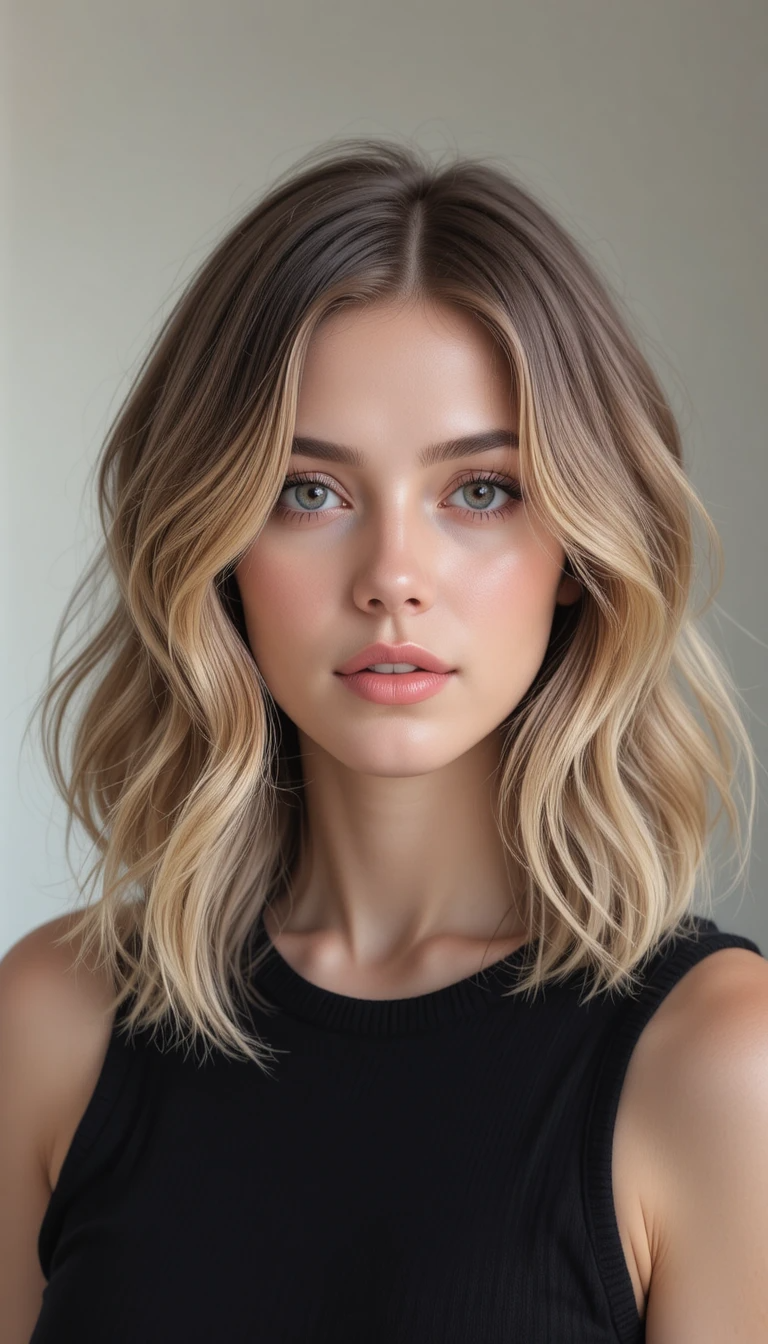
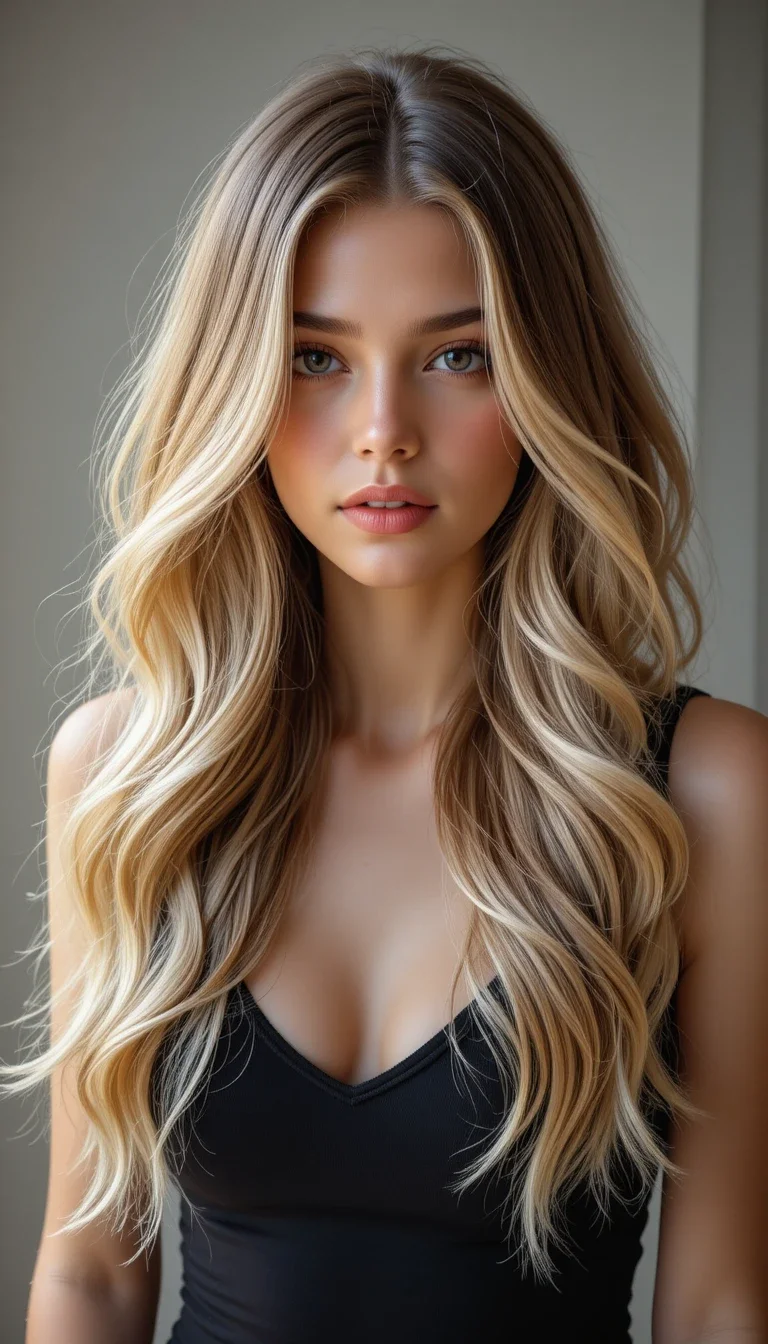
Classic Long Layers
Layers added throughout long hair without changing the overall length create movement and prevent that heavy, flat look long hair can fall into. This is the safest, most universally flattering long hairstyle on this list.
- Best for: Anyone with thick or medium-density hair who wants movement without losing length
- Maintenance: Low trims every 10-12 weeks since the layered ends grow out gracefully
- Say this to your stylist: “Long layers, keep the length, just add movement through the ends”
Butterfly Cut
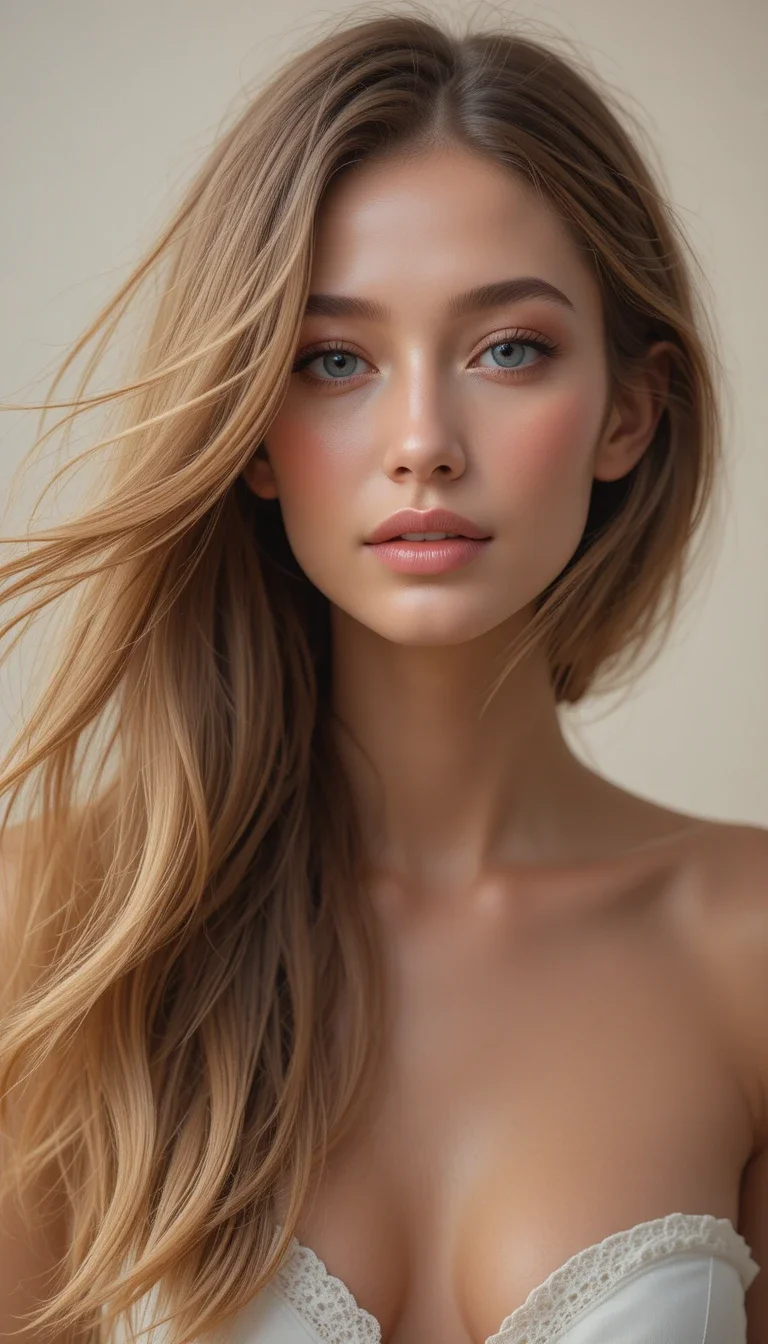
Short, wispy layers concentrated at the crown blend into long, flowing ends the contrast is what gives this cut its dramatic volume. It’s become one of the defining trends for long hair, especially flattering on straight hair.
- Best for: Straight or slightly wavy hair that needs volume at the root
- Maintenance: Moderate the short crown layers need reshaping every 8-10 weeks to keep the contrast sharp
- Say this to your stylist: “Butterfly cut short layers concentrated at the crown, not spread through the whole head”
Long Shag
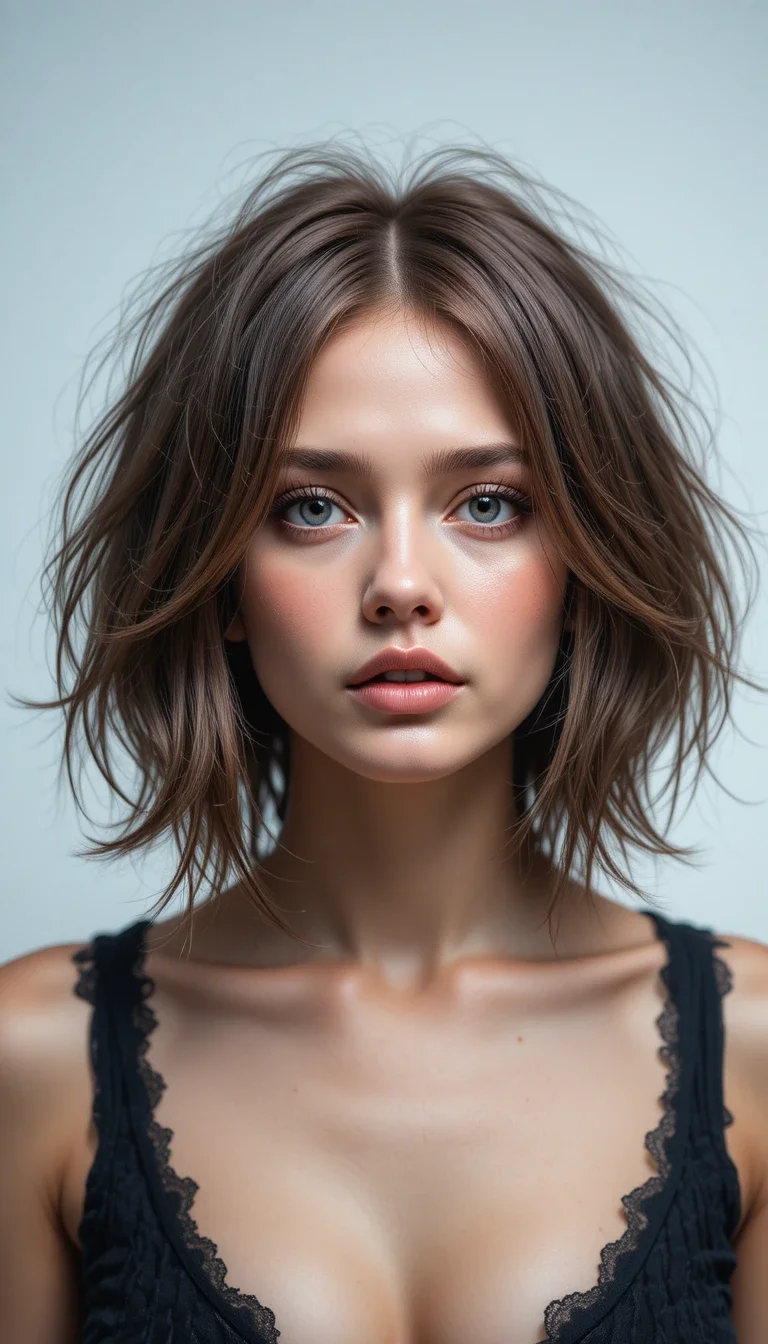
Choppy, textured layers run through the entire length, giving long hair a deliberately undone, lived-in look. It works especially well on hair with natural texture or waves.
- Best for: Wavy or curly hair, or anyone wanting an edgier, less polished look
- Maintenance: Higher upkeep needs reshaping every 6-8 weeks to keep the choppy texture from growing into a plain layered cut
- Say this to your stylist: “A long shag with heavier texturizing throughout, not just at the ends”
Wolf Cut for Long Hair
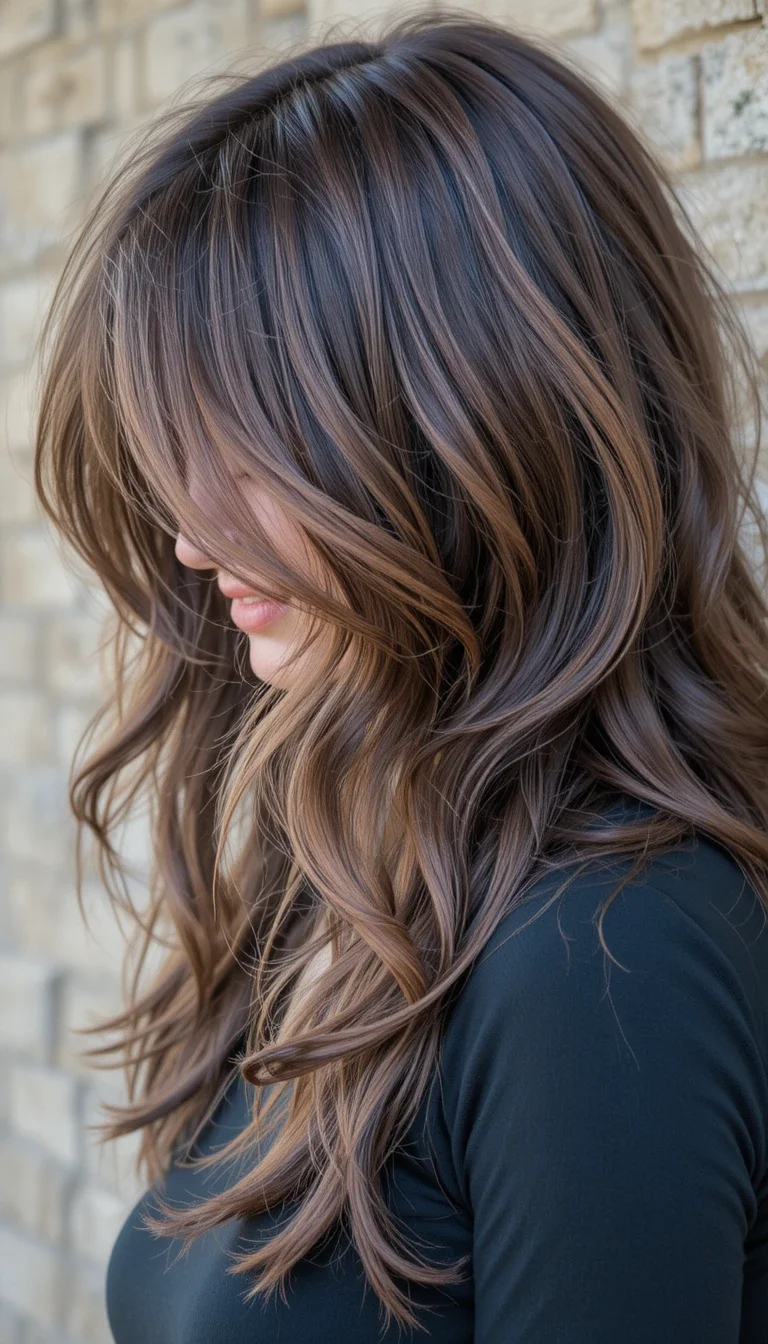
A shag-mullet hybrid with shorter, voluminous layers up top and length retained at the back. On long hair, this cut reads bolder and more dramatic than it does on shorter lengths.
- Best for: Thick hair that needs texture broken up, anyone wanting a statement cut
- Maintenance: Moderate grows out reasonably well since the style already looks intentionally textured
- Say this to your stylist: “Wolf cut, keep the back length long, shorter layers concentrated at the crown only”
U-Cut
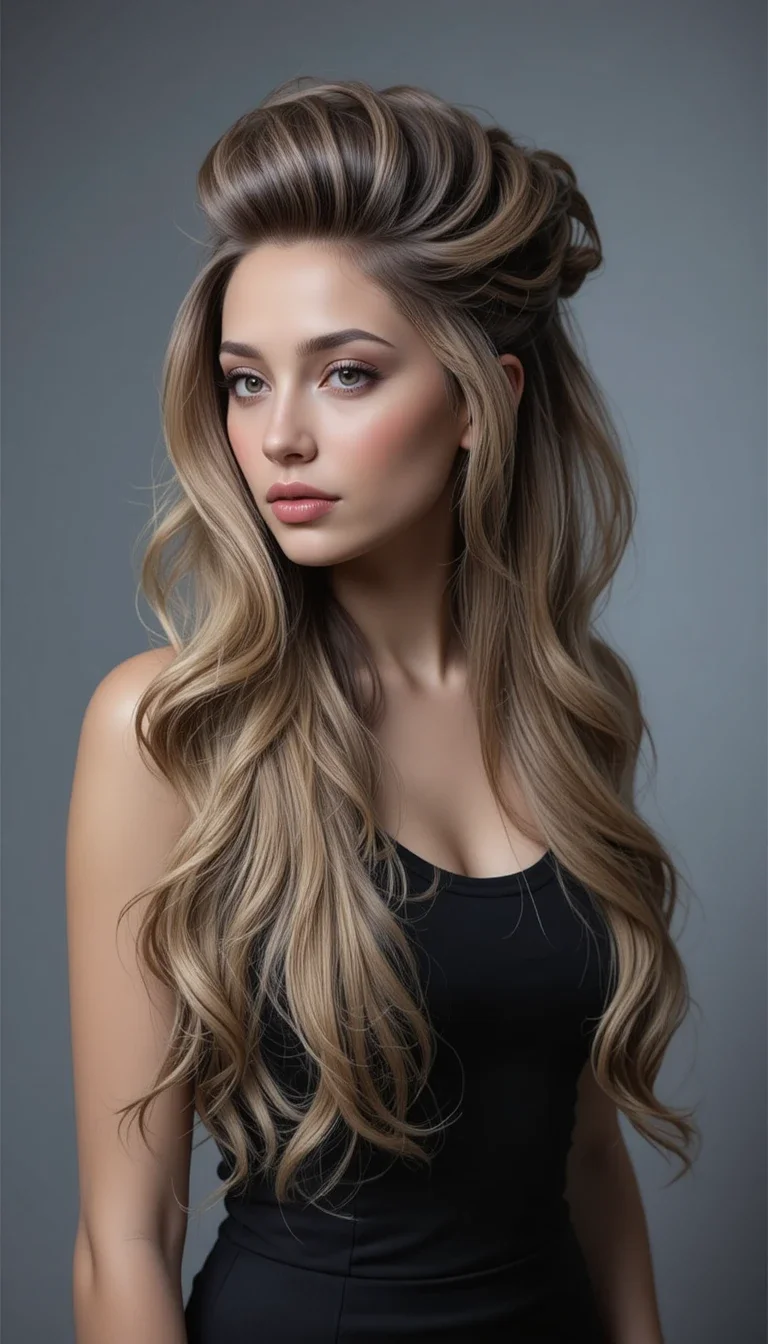
Instead of a straight, blunt line, the ends are rounded into a soft U shape. This creates a gentler, less severe finish than a blunt cut while still keeping nearly all the length.
- Best for: Thin or fine hair that needs a softer transition at the ends
- Maintenance: Low easier to maintain than a sharp blunt cut since slight unevenness in growth is less noticeable
- Say this to your stylist: “U-shaped ends, not a straight blunt line”
V-Cut
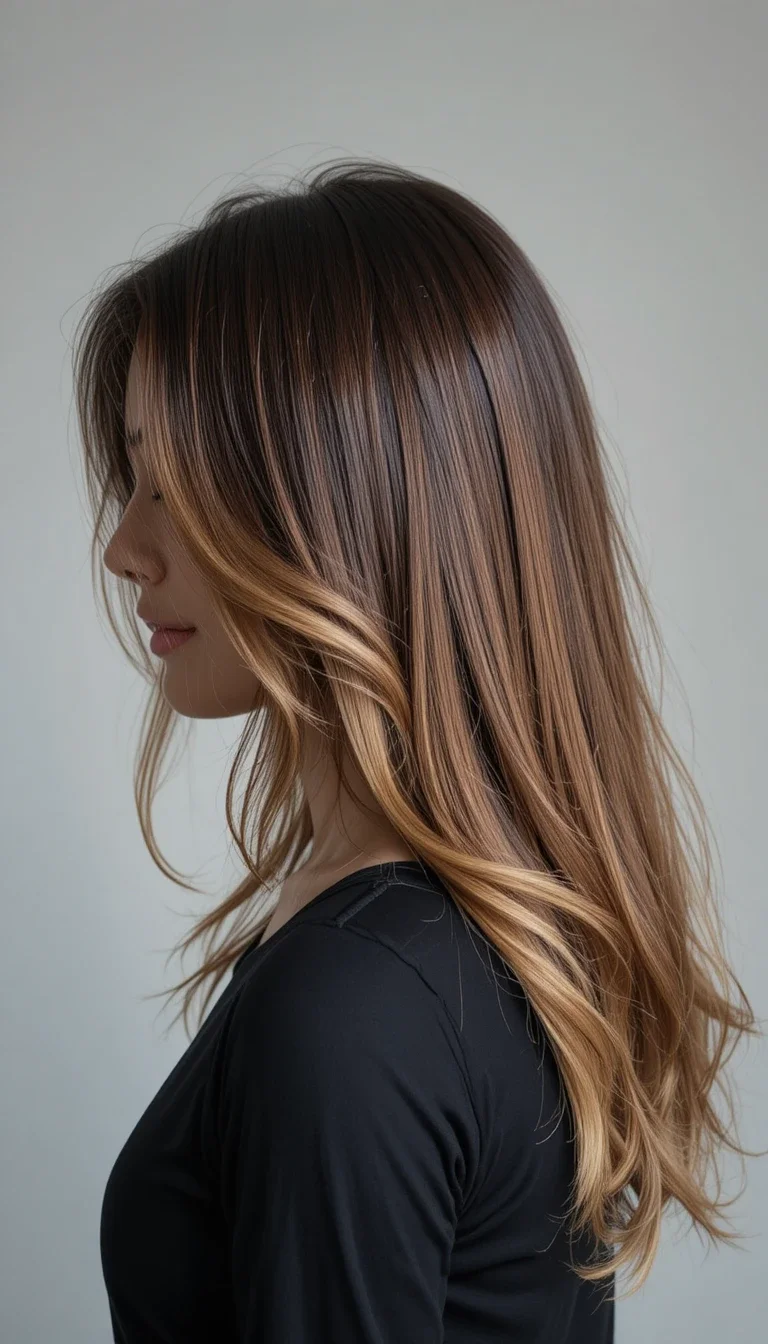
The opposite of the U-cut ends are cut into a sharp, pointed V shape, with shorter pieces at the front blending into longer lengths at the back.
- Best for: Wavy hair, since the wave softens the sharp V line naturally
- Maintenance: Moderate the point needs occasional trims to stay defined, but it ages well as it grows out
- Say this to your stylist: “A V-cut with a defined point at the back, not a rounded U shape”
Curtain Bangs on Long Hair
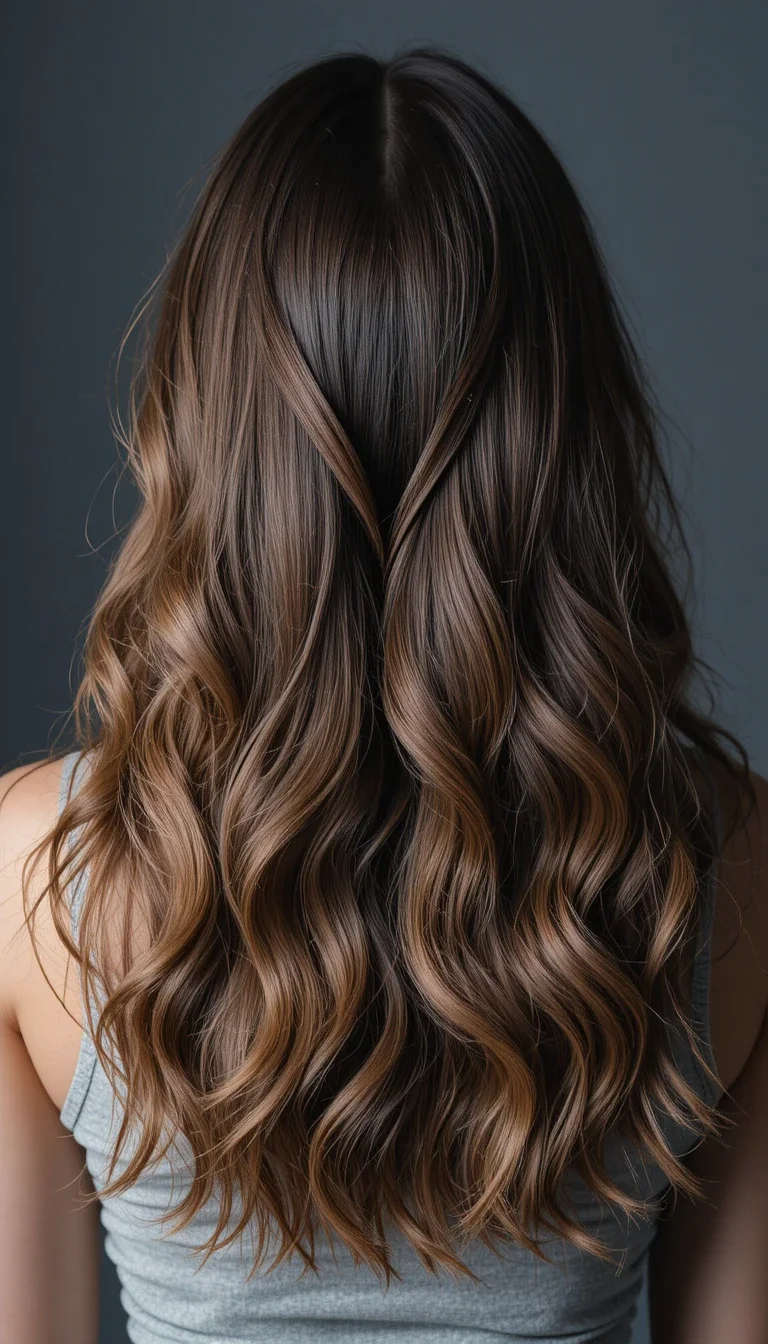
Curtain bangs parted in the middle and blended into long layers to frame the face without committing to a full fringe. This is one of the lowest-maintenance ways to change up a long hairstyle.
- Best for: Anyone wanting to soften the face without cutting significant length
- Maintenance: Bangs need a trim every 4-6 weeks; the rest of the length only every 10-12 weeks
- Say this to your stylist: “Curtain bangs blended into the layers, long enough to tuck behind the ears”
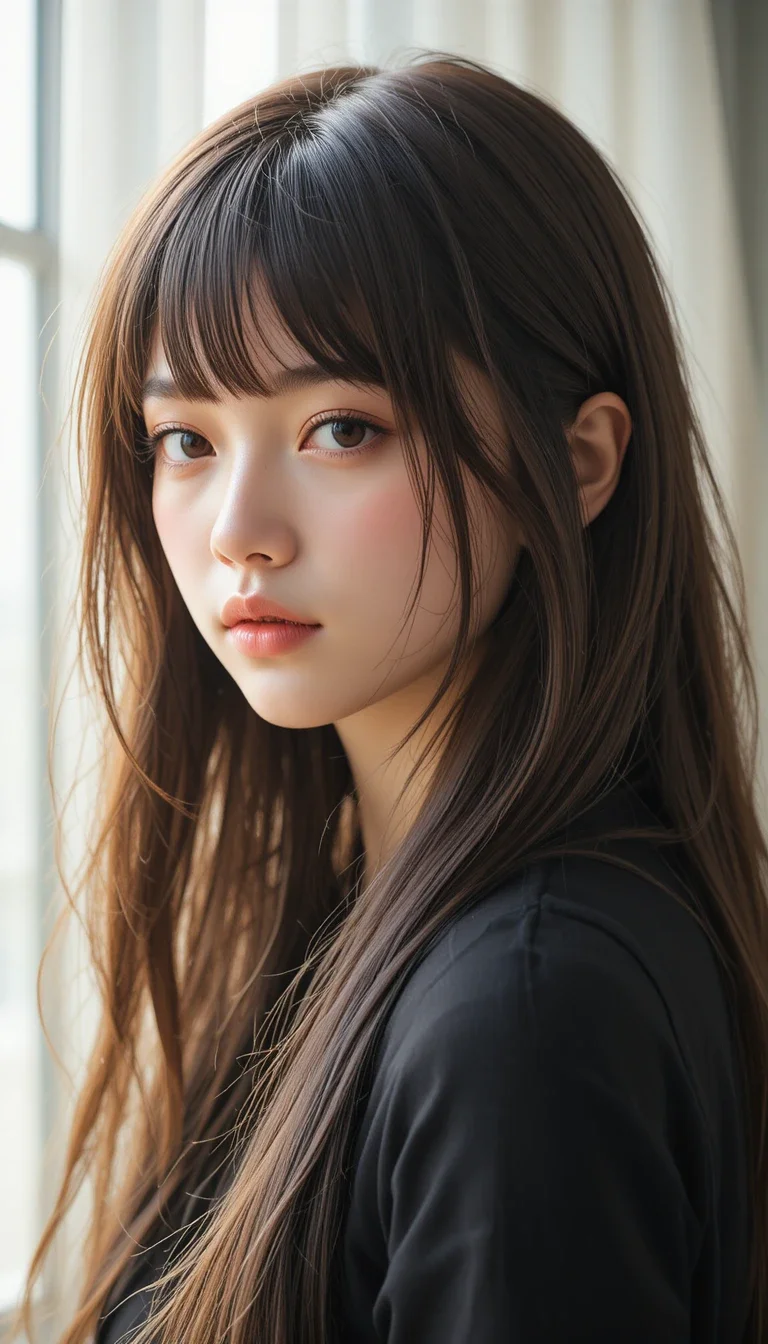
One-Length Blunt Cut
No layers at all just one clean, straight line across the bottom. On long hair, this creates serious visual weight and shine since there’s no thinning from layering.
- Best for: Thick, healthy hair that can handle the weight without looking flat
- Maintenance: Needs trims every 6-8 weeks since a blunt line shows uneven growth fast
- Say this to your stylist: “One length, no layers, blunt ends”
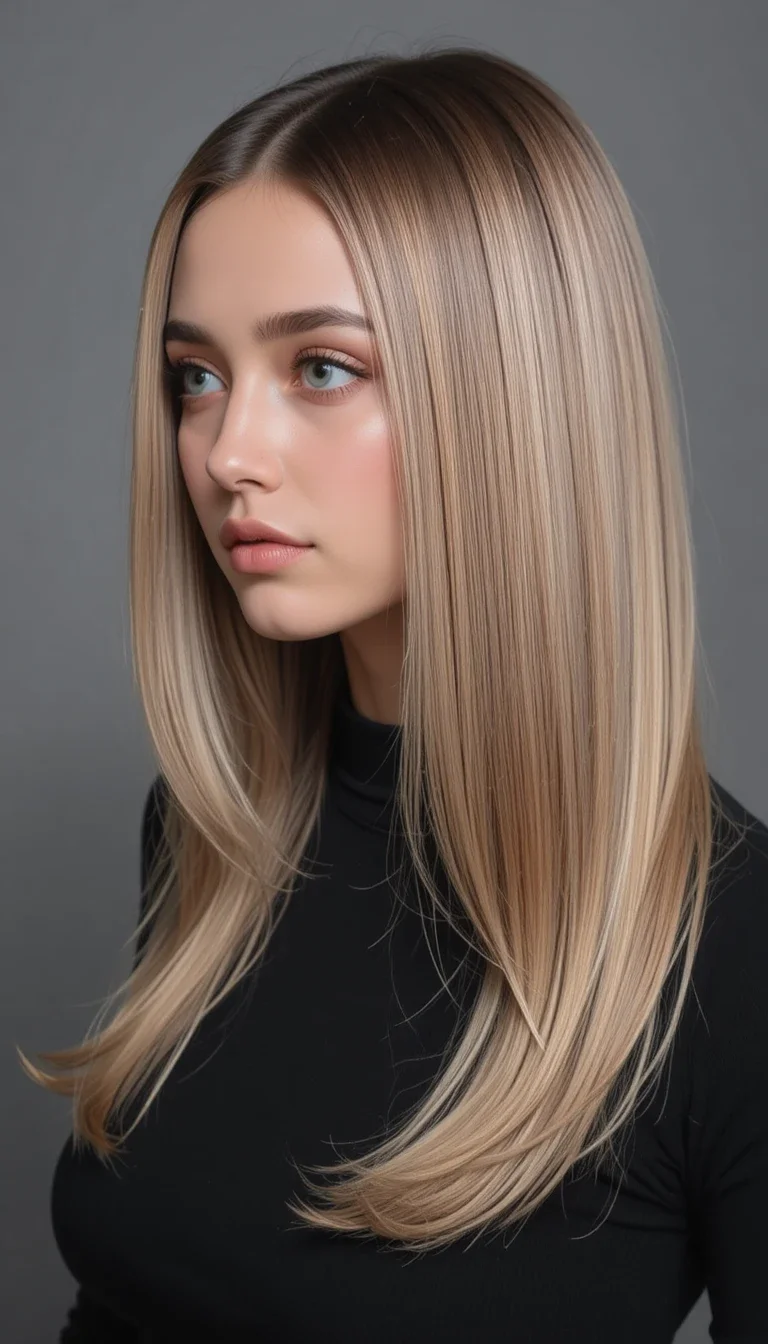
Octopus Cut
Short layers fan out from the crown like tentacles, blending into long lengths below a more dramatic, voluminous cousin of the butterfly cut. It’s playful and works particularly well on thick hair.
- Best for: Thick hair that needs serious volume relief at the crown
- Maintenance: Higher the crown layers need reshaping every 8 weeks to maintain the fanned-out effect
- Say this to your stylist: “Octopus cut heavy layering concentrated at the crown, fanning outward”
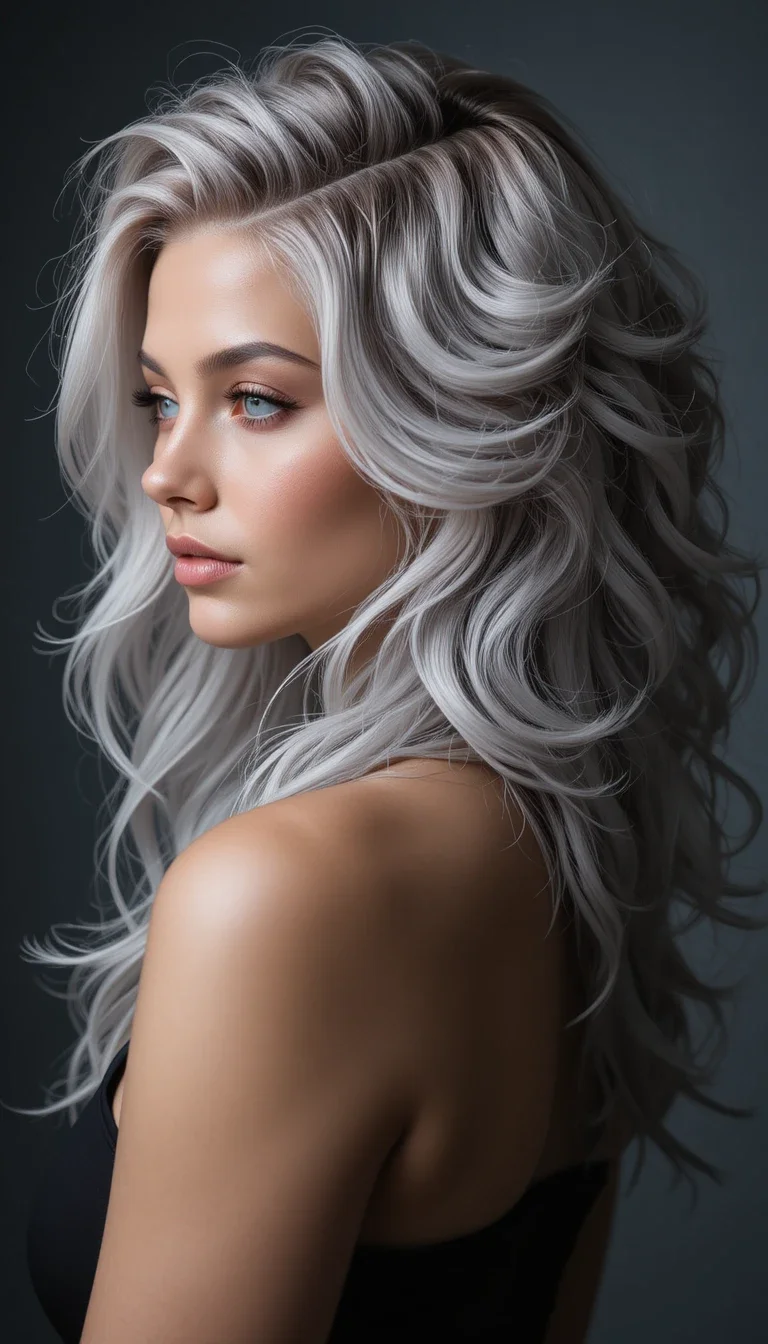
Hush Cut
Soft, barely-there layers that blend so subtly they’re almost invisible the long hair equivalent of a “no-makeup makeup” look. Built for low-maintenance styling.
- Best for: Fine hair, or anyone who wants subtle movement without an obvious “layered” look
- Maintenance: Low this is intentionally one of the lowest-effort long cuts on the list
- Say this to your stylist: “Very soft, barely visible layers, nothing choppy or obvious”
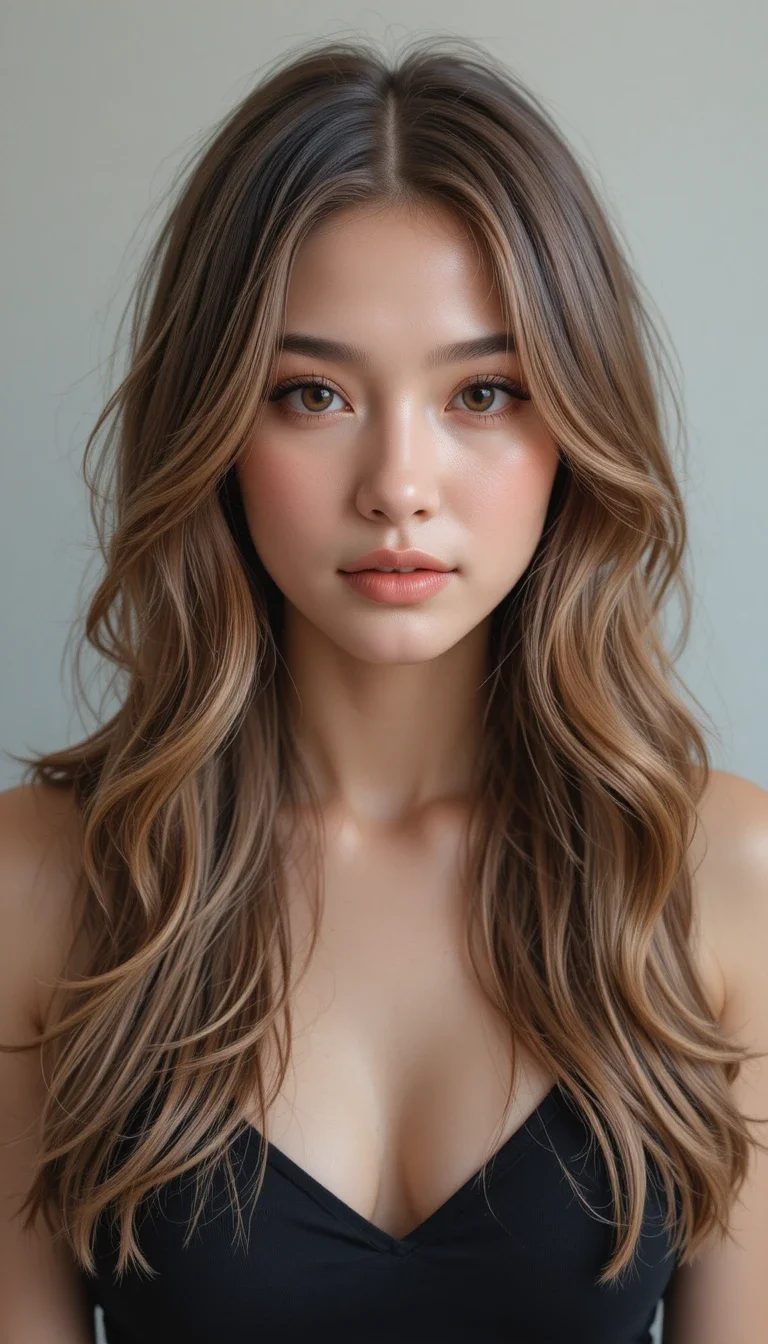
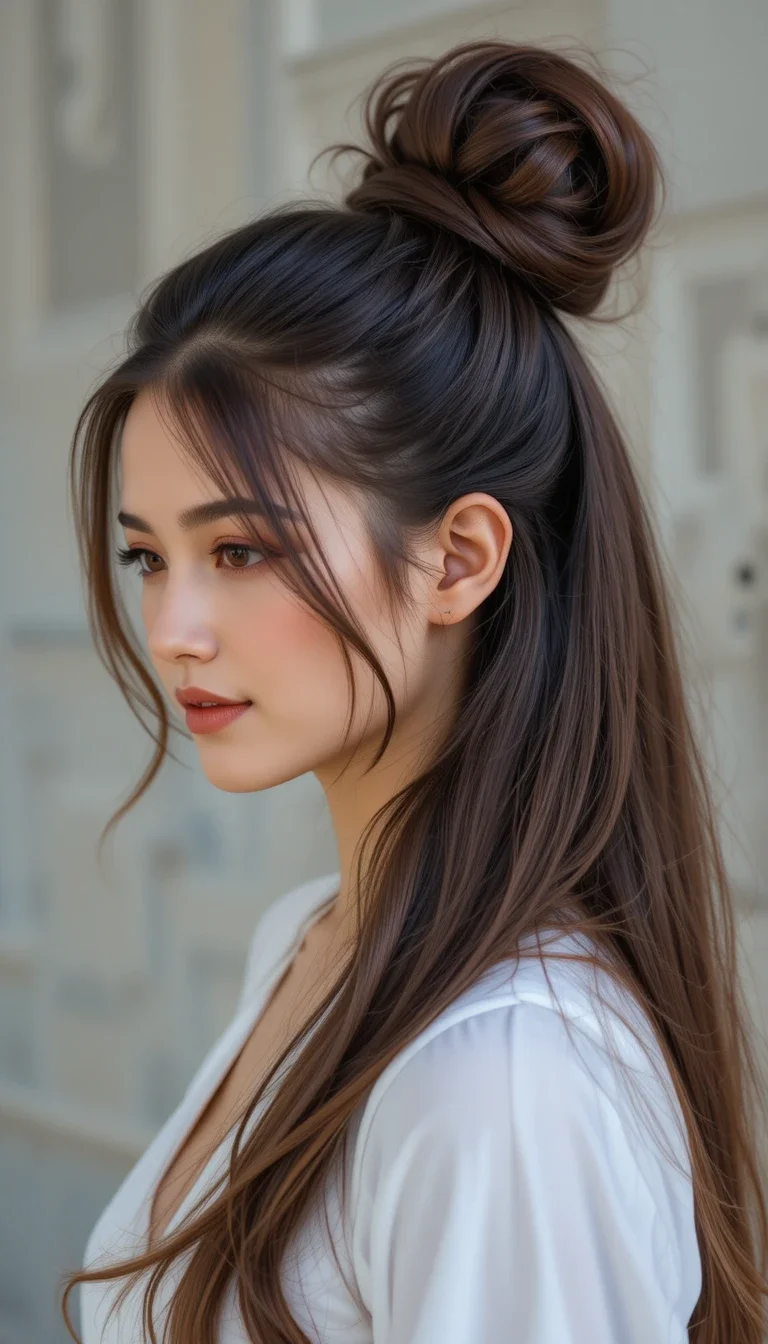
High Half-Up Style
Not a cut, but a styling technique: gathering the top section of hair high on the crown and securing it, leaving the rest down. It instantly adds volume and makes long hair look fuller and longer.
- Best for: Any face shape, works on straight, wavy, or curly long hair.
- Maintenance: None structurally it’s a daily styling choice, not a haircut
- Say this to your stylist: Not applicable this is an at-home styling technique.
High Half-Up Style
Not a cut, but a styling technique: gathering the top section of hair high on the crown and securing it, leaving the rest down. It instantly adds volume and makes long hair look fuller and longer.
- Best for: Any face shape, works on straight, wavy, or curly long hair.
- Maintenance: None structurally it’s a daily styling choice, not a haircut
- Say this to your stylist: Not applicable this is an at-home styling technique.
How to Pick the Right One for Your Hair Type
- Thick hair: The octopus cut and wolf cut remove bulk while keeping length both genuinely solve the “too heavy” problem
- Thin or fine hair: The U-cut and hush cut avoid harsh lines that make thin hair look sparse
- Wavy or curly hair: The long shag and V-cut work with your texture instead of fighting it
- Straight hair: The butterfly cut and classic long layers add movement that straight hair doesn’t create on its own
Frequently Asked Questions
How often should you trim long hair to keep it healthy? Most long hairstyles need a trim every 8-12 weeks, even if you’re trying to maintain length, since small “dusting” trims prevent split ends from traveling up the hair shaft and causing more damage.
Does cutting layers into long hair make it grow faster? No layering doesn’t affect growth rate, since growth happens at the scalp regardless of how the ends are cut. Layers do make hair appear healthier, which can reduce the need for damage-related trims.
What’s the most low-maintenance long hairstyle? The hush cut and classic long layers are the lowest-maintenance options on this list, since both grow out without losing their shape or needing frequent reshaping.
Can thin hair handle long layers without looking flat? Yes, but the layering needs to be strategic. Heavier layering at the crown (like in a wolf cut or octopus cut) lifts thin hair at the root, while leaving too much weight at the ends can flatten it.
Is a blunt cut better than layers for long hair? It depends on hair density. Blunt cuts add visual weight and shine, which works well for thick hair. Fine or thin hair often looks better with at least some layering to avoid looking stringy.