15 Hair Color Ideas for Women in 2026 (With Skin Tone Matching and Honest Maintenance Costs)
Most hair color inspiration shows you a photo and a name. What it doesn’t tell you is whether that shade works with your skin tone, how much upkeep it actually requires, or what to say to your colorist so you don’t end up with something that looks nothing like the photo you saved.
This list covers 15 hair color ideas that are genuinely trending in 2026 from low-maintenance naturals to bold statements with the practical details that most inspiration galleries skip entirely.
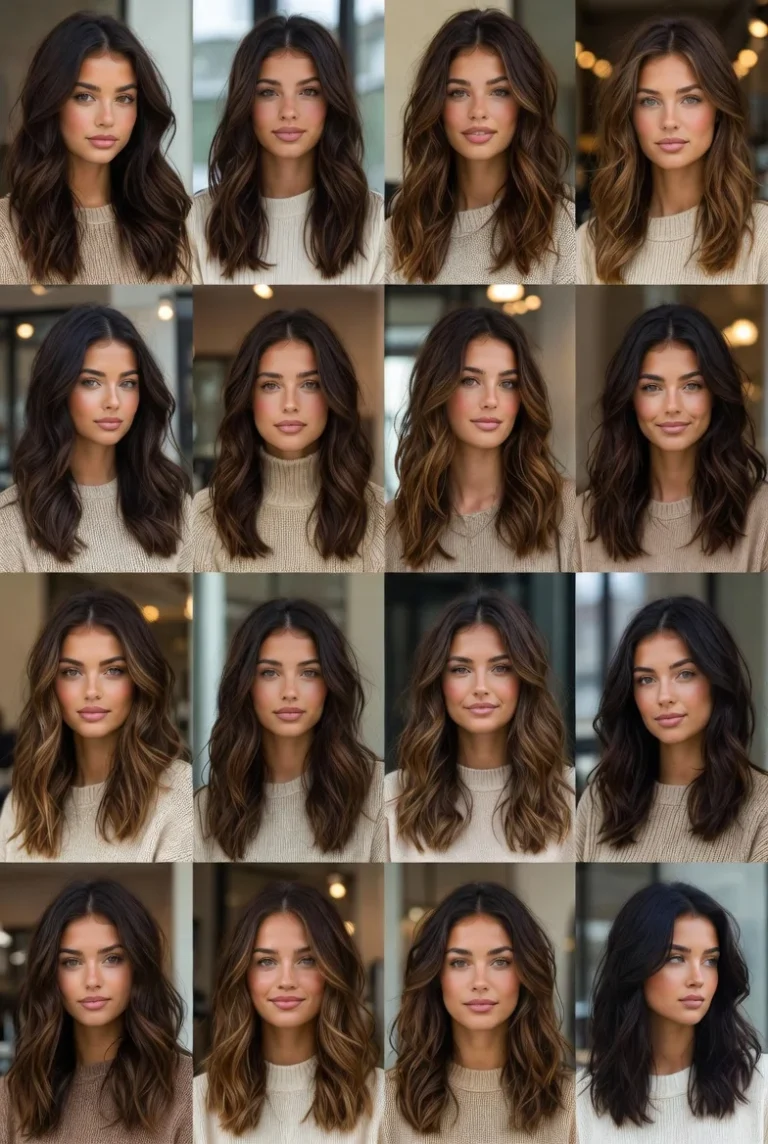
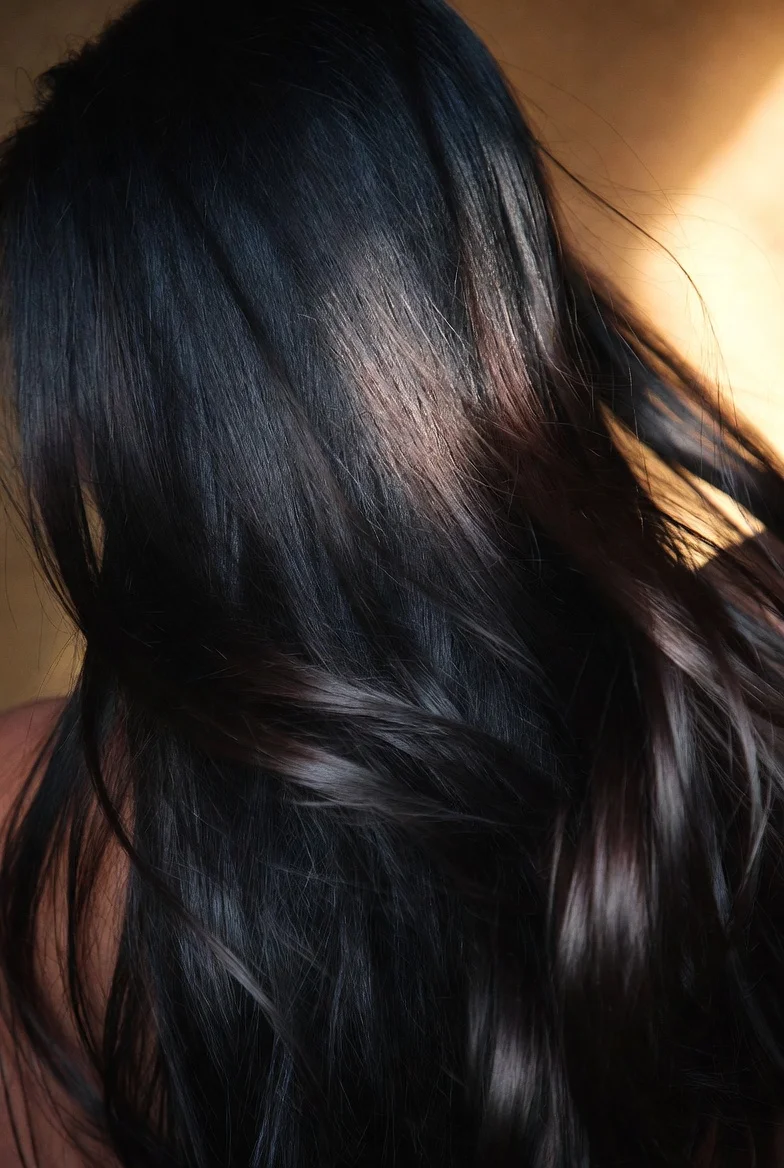
Midnight Brunette
A deep, near-black brown with a high-gloss finish darker than a standard dark brown but without the flat, one-dimensional look of true black. It sits right on the edge of black without crossing into flat black territory, blending deep brown with soft black for a mirror-shine finish.
- Best for: Cool and neutral skin tones; works especially well on olive and deeper complexions where the depth creates contrast.
- Maintenance: Low grows out naturally with no harsh demarcation line since it’s close to most dark natural shades
- Say this to your colorist: “Midnight brunette a deep brown-black with a glossy finish, not a flat jet black”
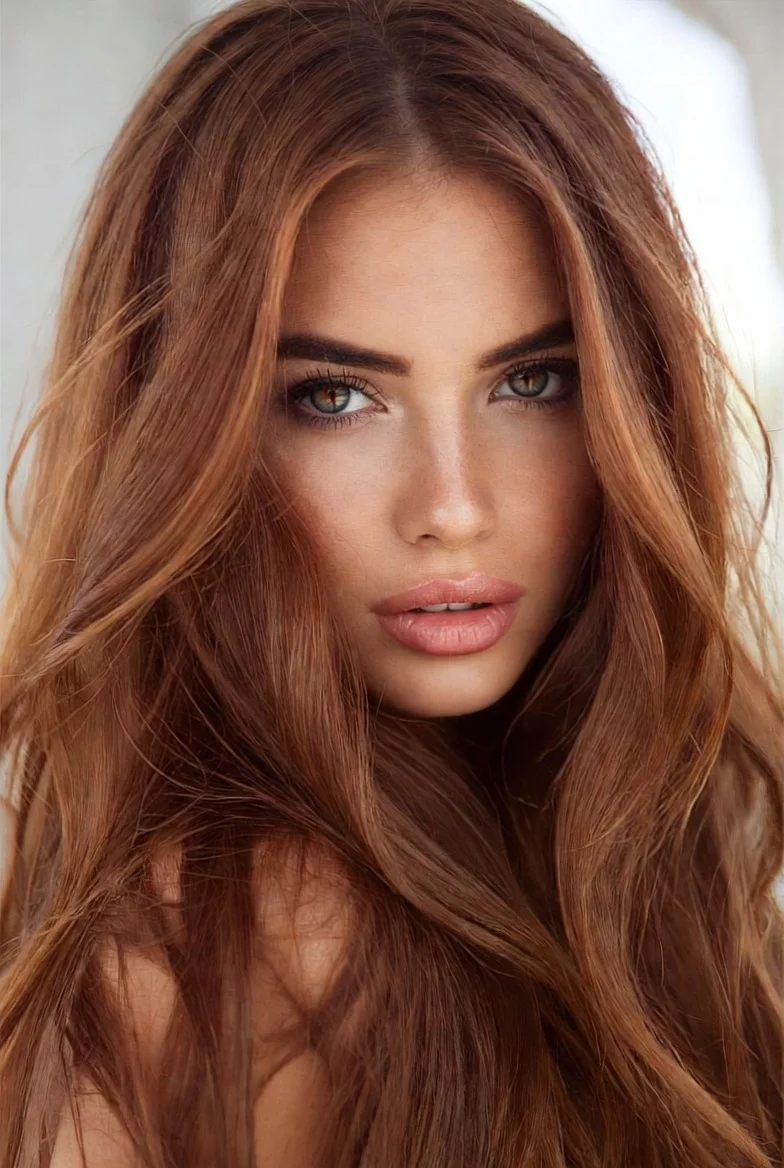
Cowgirl Copper
A warm copper shade softened with natural undertones so it reads as rich and wearable rather than bold and orange. This is the ideal copper for 2026 warm, natural, and rich yet understated, with the copper softened by blending it with natural tones.
- Best for: Warm and neutral skin tones; flatters golden, peachy, and medium complexions particularly well
- Maintenance: Moderate to high copper fades fast, especially in the first few weeks after coloring; sulfate-free shampoo and a color-depositing conditioner extend the life significantly
- Say this to your colorist: “Cowgirl copper warm copper blended with my natural tone, not a solid block of bright orange”
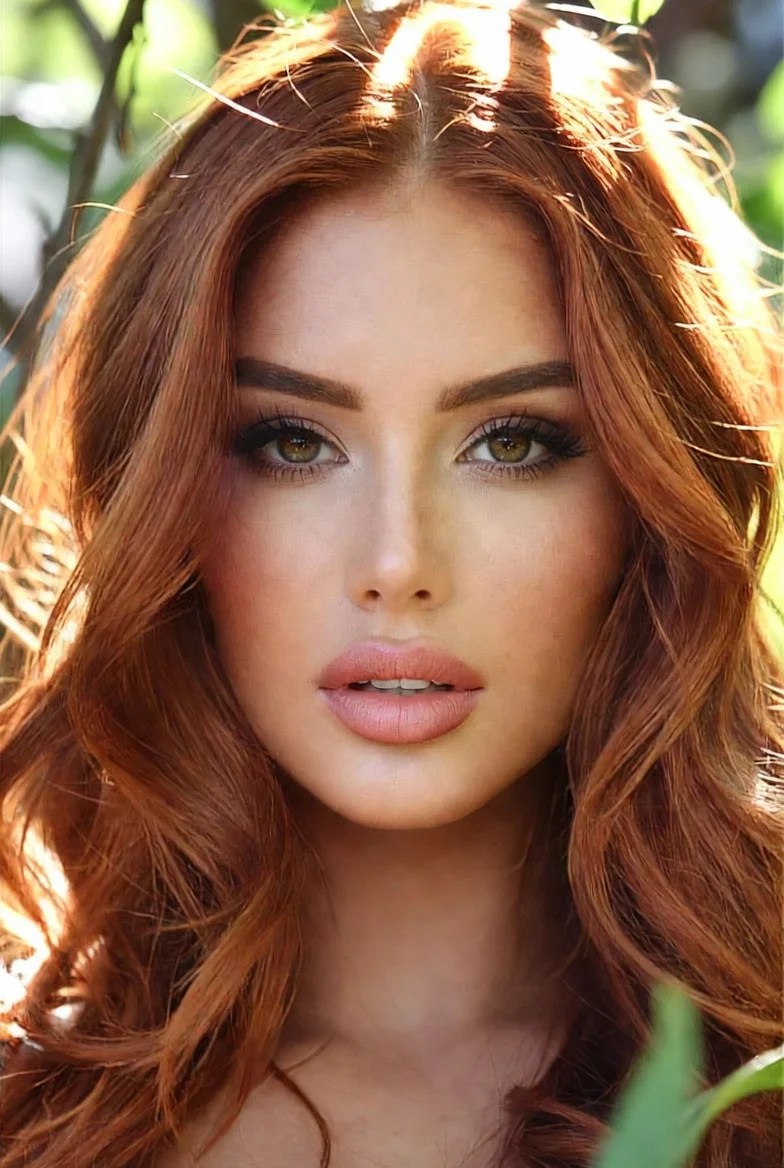
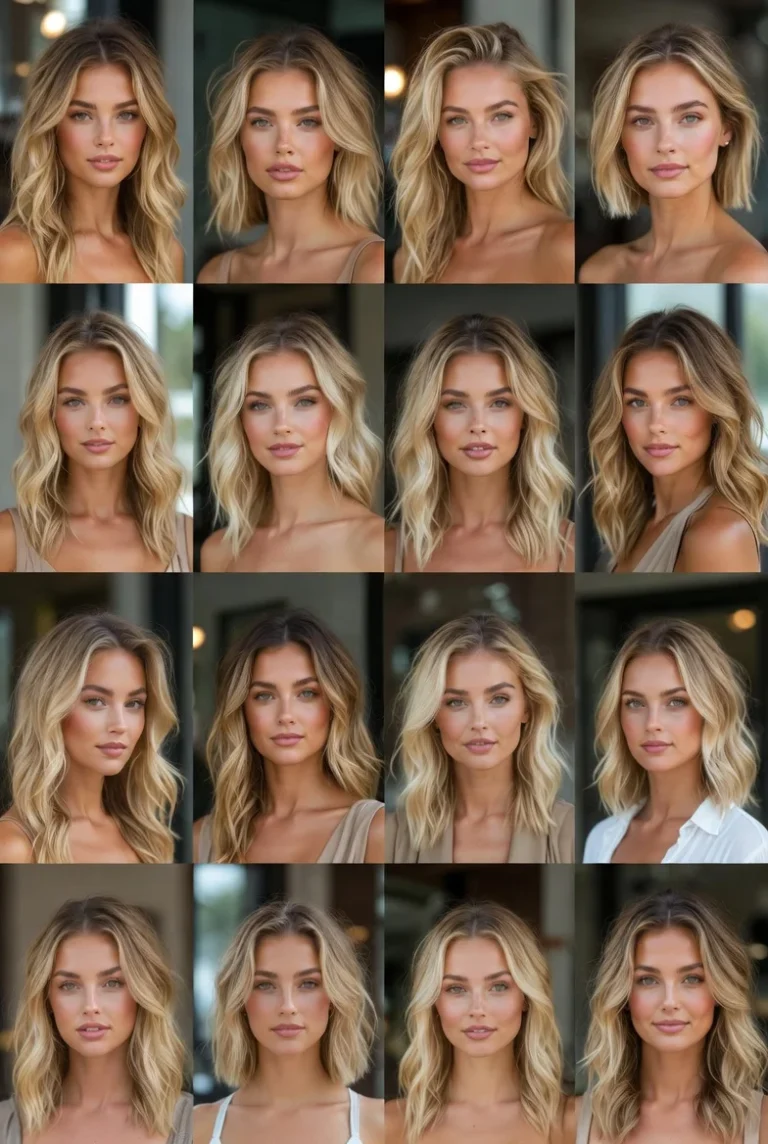
Butter Blonde
A warm, creamy blonde that sits between medium and light blonde golden and honey-toned rather than icy or platinum. Warmer butter blonde is rich, natural, and glossy with flickers of honey tones that warm it up beautifully.
- Best for: Warm and neutral skin tones; works on natural blondes who want to go warmer without heavy bleaching.
- Maintenance: Moderate warmer blondes show less brassiness than platinum, but roots still need touching up every 6-8 weeks
- Say this to your colorist: “Butter blonde warm and honey-toned, not icy or cool, rich rather than pale”
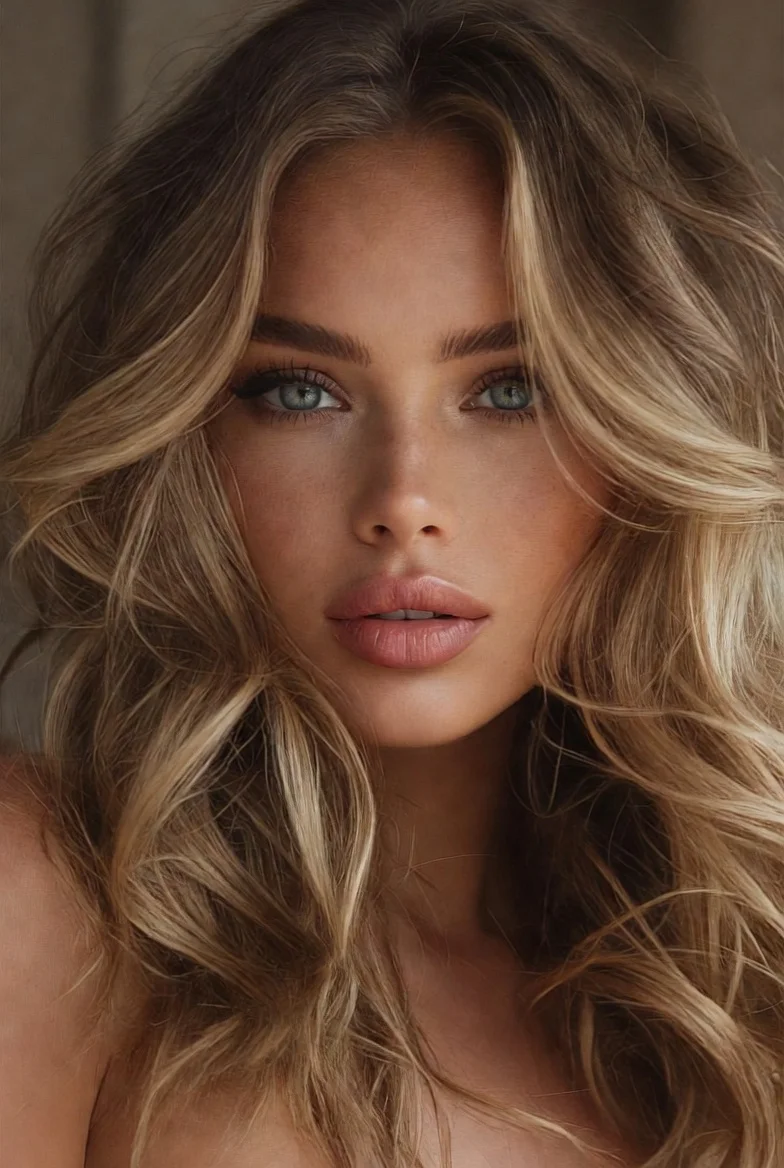
Khaki Blonde
A blend of blonde and brunette with ashier, cooler undertones added to dial down the intensity the result reads as a sophisticated, expensive-looking natural shade. The addition of darker, ashier tones lends the overall finish a more organic-looking, lived-in effect that flatters a wide range of skin tones.
- Best for: Cool and neutral skin tones; works well on natural brunettes wanting to go lighter without committing to full blonde.
- Maintenance: Low to moderate the muted, ashy tones fade more gracefully than bright highlights and need refreshing every 10-12 weeks
- Say this to your colorist: “Khaki bronde a seamless lift with a color melt, ashy and cool-toned, not warm or golden”
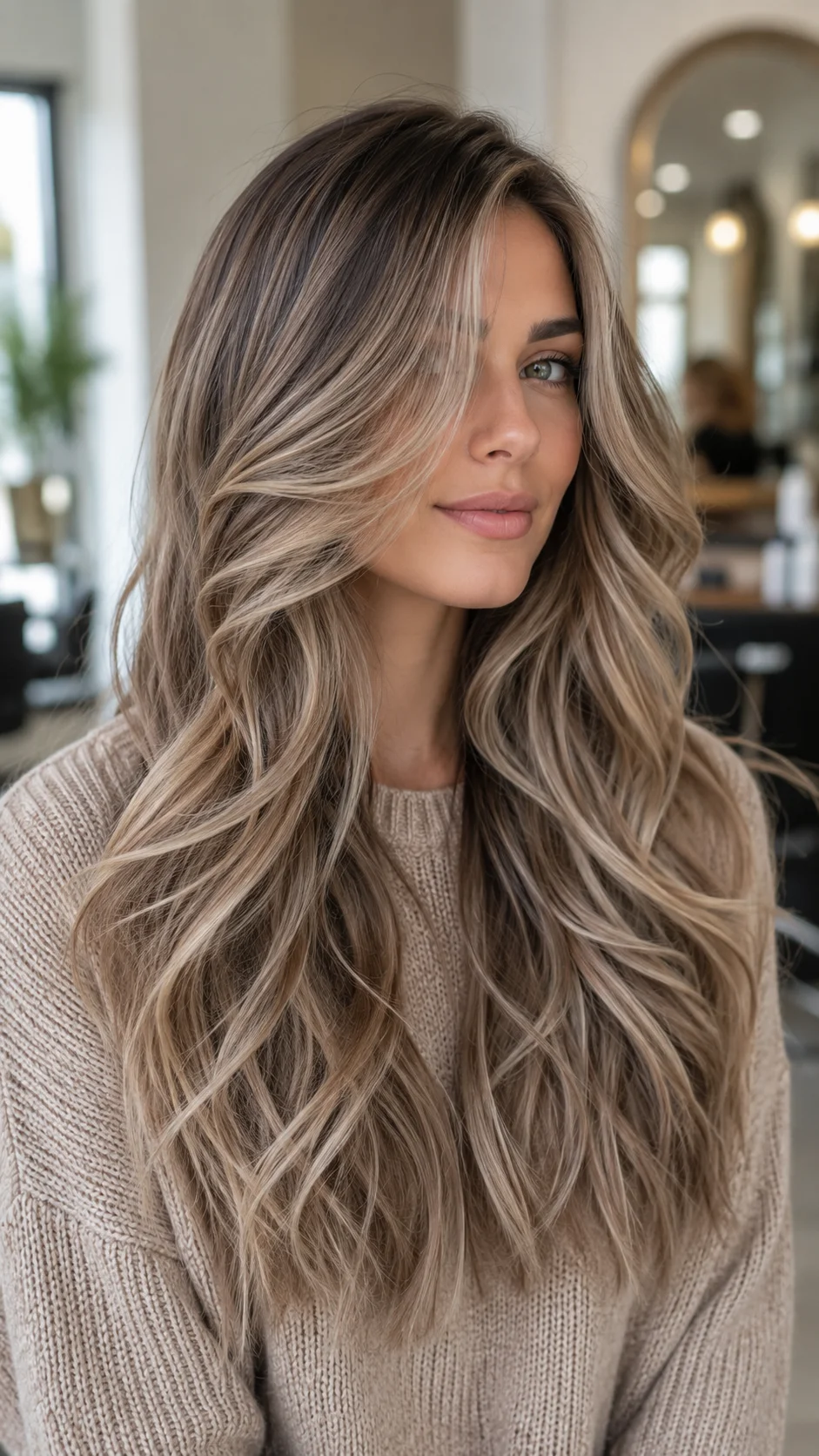
Lush Truffle
A warm, rich brunette with subtle reddish undertones that make it look glossy and expensive rather than flat. This sophisticated shade is full of warmth, glowy tones, and indulgent truffle pigments it reflects a shift away from cooler brown hues toward rich brunettes with a slightly warm red glow.
- Best for: Warm and neutral skin tones on natural brunettes; works on nearly every skin tone because the warmth is subtle rather than dominant.
- Maintenance: Low semi-permanent color works well for this shade and adds hydration alongside tone
- Say this to your colorist: “Lush truffle a warm brunette with reddish undertones, not cool or ashy, glossy finish”
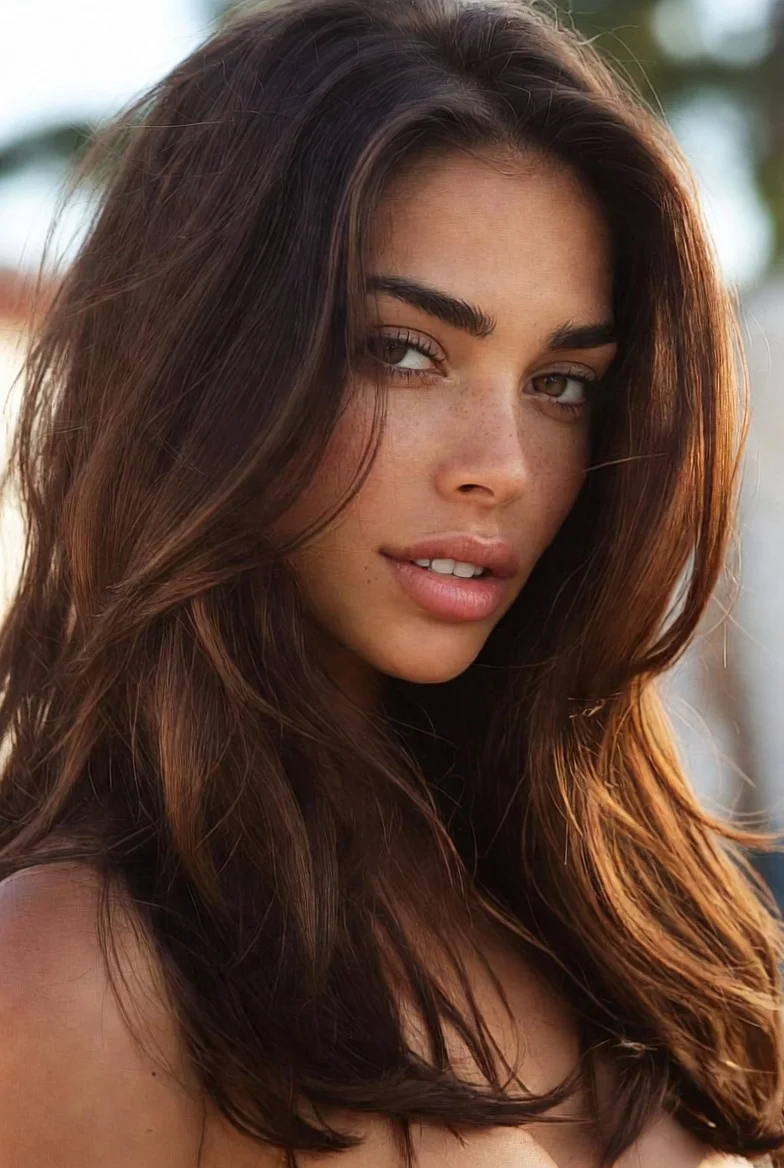
Honey Blonde Balayage
Warm, golden honey tones painted through the hair using a balayage technique meaning color is applied freehand to create a natural sun-kissed gradient rather than uniform highlights.
- Best for: Warm and neutral skin tones; especially flattering on medium to tan complexions where honey tones echo natural skin warmth
- Maintenance: Lower than traditional highlights balayage grows out naturally with a soft root and no harsh line; refresh every 3-4 months
- Say this to your colorist: “Honey blonde balayage warm and golden, not icy, painted freehand for a natural gradient”
Carnelian Orange
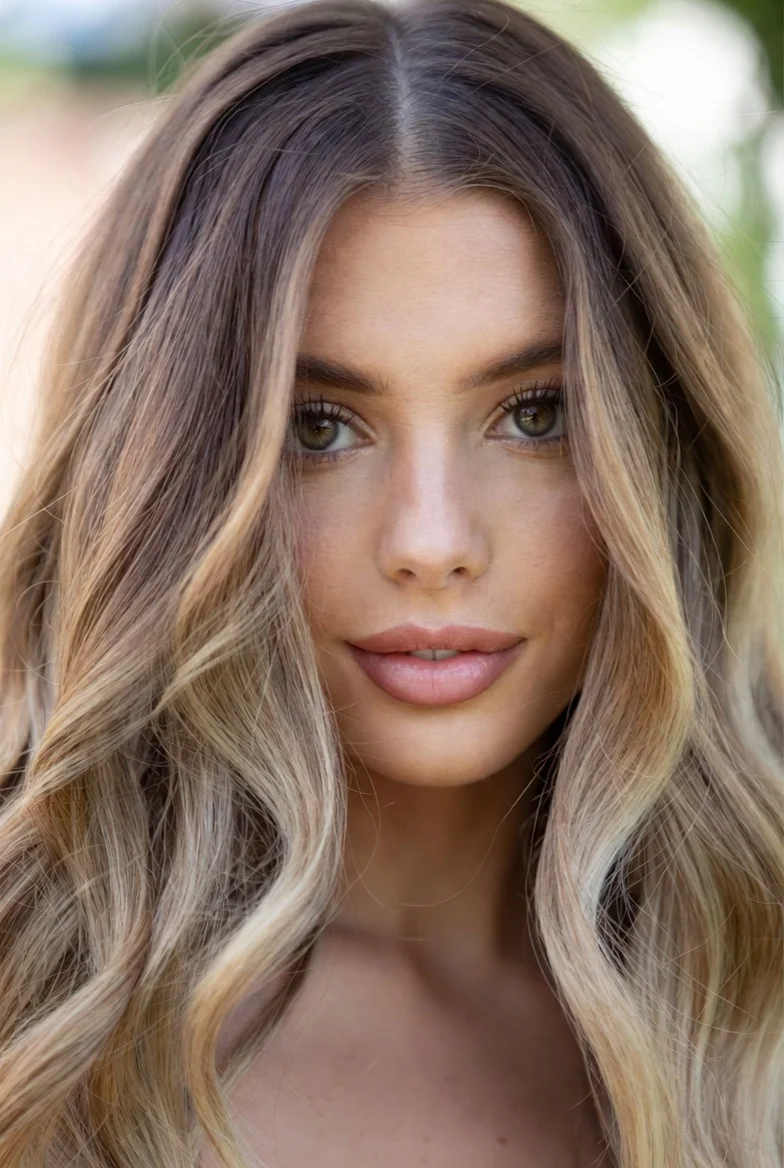
A bold, warm orange-red inspired by the carnelian gemstone vibrant but grounded rather than neon. Carnelian orange is bursting with creativity, vitality, and courage, with warm mood-boosting orange tones and vibrant reddish hues that celebrate individuality.
- Best for: Warm and neutral skin tones; this is a statement color that works on medium to deep complexions where the warmth complements rather than clashes
- Maintenance: High vivid warm tones fade quickly; plan for monthly toning and color-depositing products at home
- Say this to your colorist: “Carnelian orange a warm orange-red, rich and gemstone-inspired, not neon or coral”
Caramel Highlights
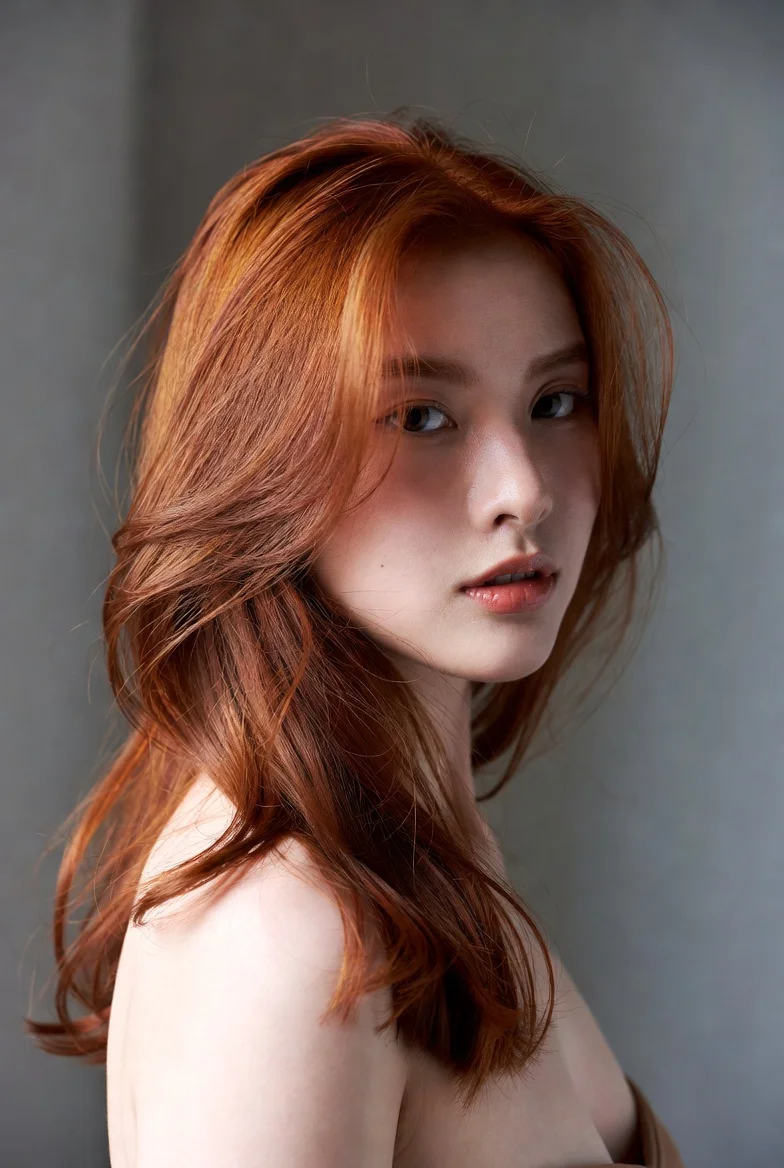
Soft, warm caramel tones added through the hair as highlights one of the most universally flattering color techniques because it works across a wide range of base colors and skin tones.
- Best for: Caramel is the most versatile hue for highlights, suiting everyone from blondes to brunettes and redheads; flatters warm, neutral, and many cool complexions
- Maintenance: Low to moderate caramel tones fade gradually without harsh lines; touch up every 3-4 months
- Say this to your colorist: “Warm caramel highlights blended through my natural color not too light, just enough to add warmth and dimension”
Burgundy
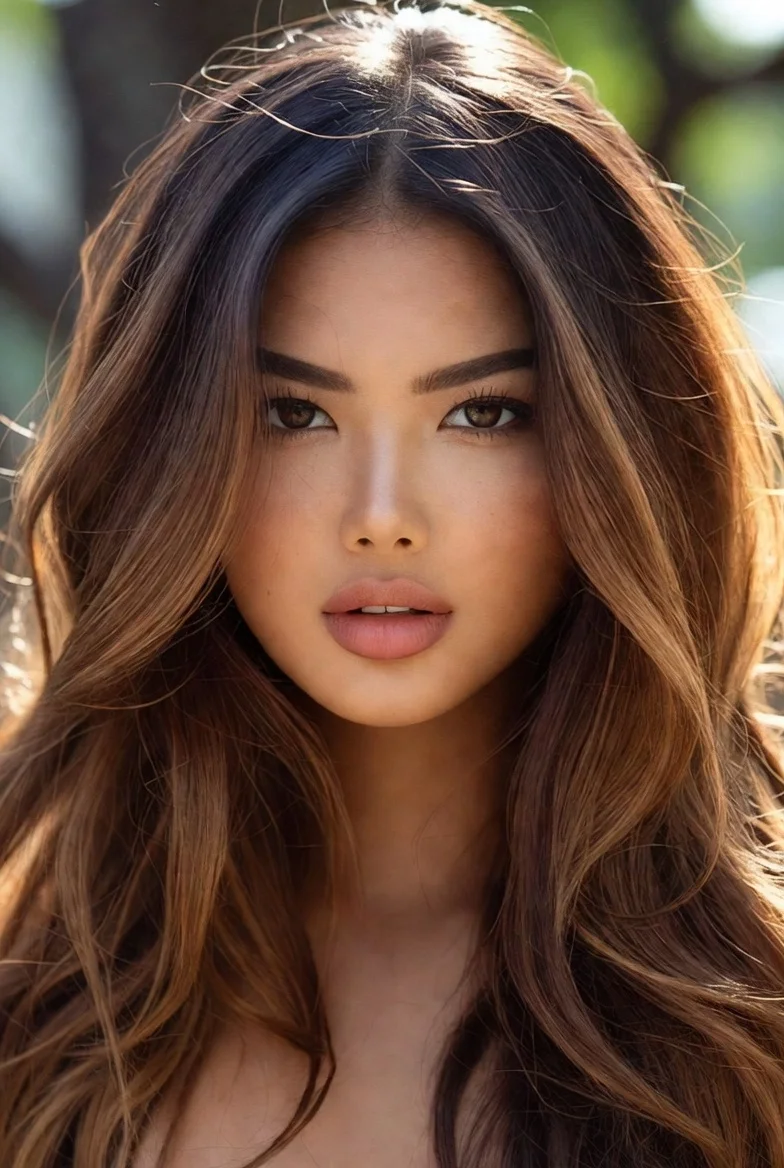
A rich, deep red-purple that sits between red wine and plum bold enough to be a statement but dark enough to read as sophisticated rather than theatrical. Burgundy is set to be a top trend in 2026, offering rich, bold shades from deep wine tones to vibrant violet hues.
- Best for: Cool and neutral skin tones; works particularly well on deep and olive complexions where the richness of the shade creates dramatic contrast.
- Maintenance: High red and purple tones fade the fastest of any shade; use color-safe shampoo and wash hair in cool water to extend the life
- Say this to your colorist: “Burgundy deep red-wine with a purple undertone, not bright red, rich and dark”
Color Melt (Natural to Dark)
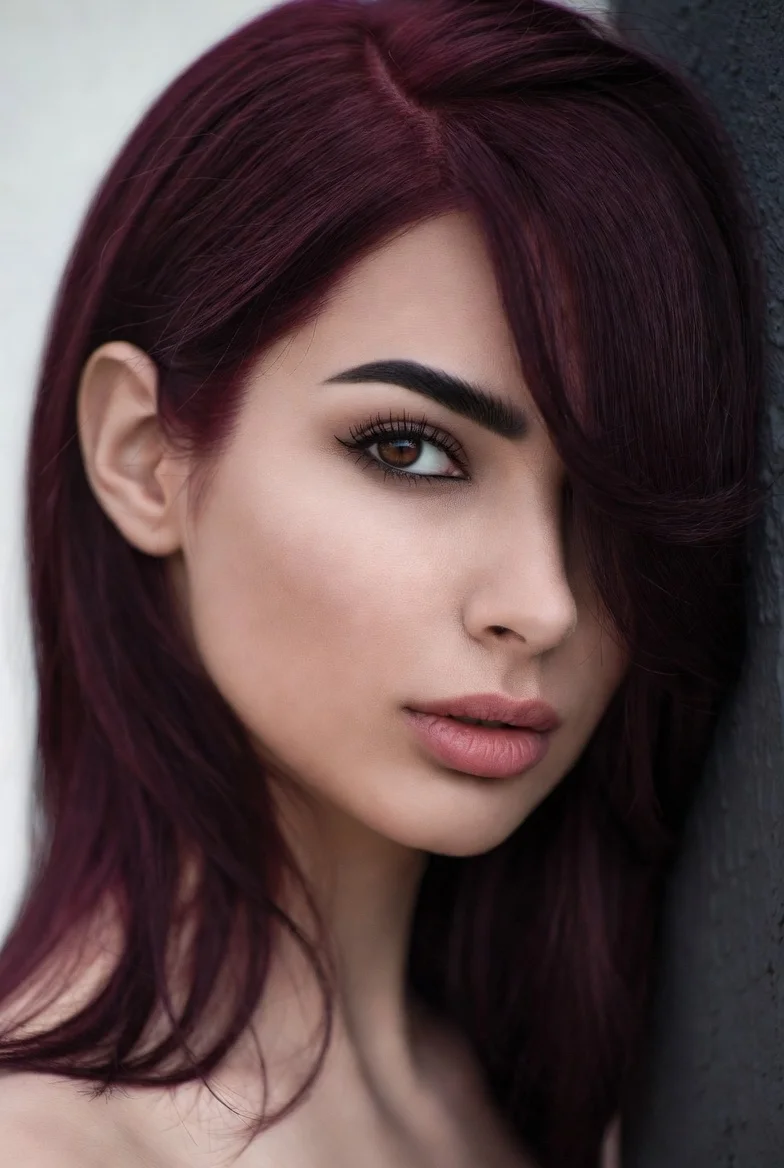
A technique rather than a specific shade color melt blends two or more tones seamlessly from root to ends, with no visible line between them. In 2026, the most popular direction is melting from a natural root into a slightly deeper or richer tone at the ends.
- Best for: Anyone growing out previous color, or anyone wanting a polished, modern look without a defined highlight pattern; works on all skin tones since the shade combination is customizable.
- Maintenance: Low the seamless blend means grow-out is almost invisible; refresh every 4-5 months
- Say this to your colorist: “Color melt from my natural root into [target color] at the ends seamless, no visible transition line”
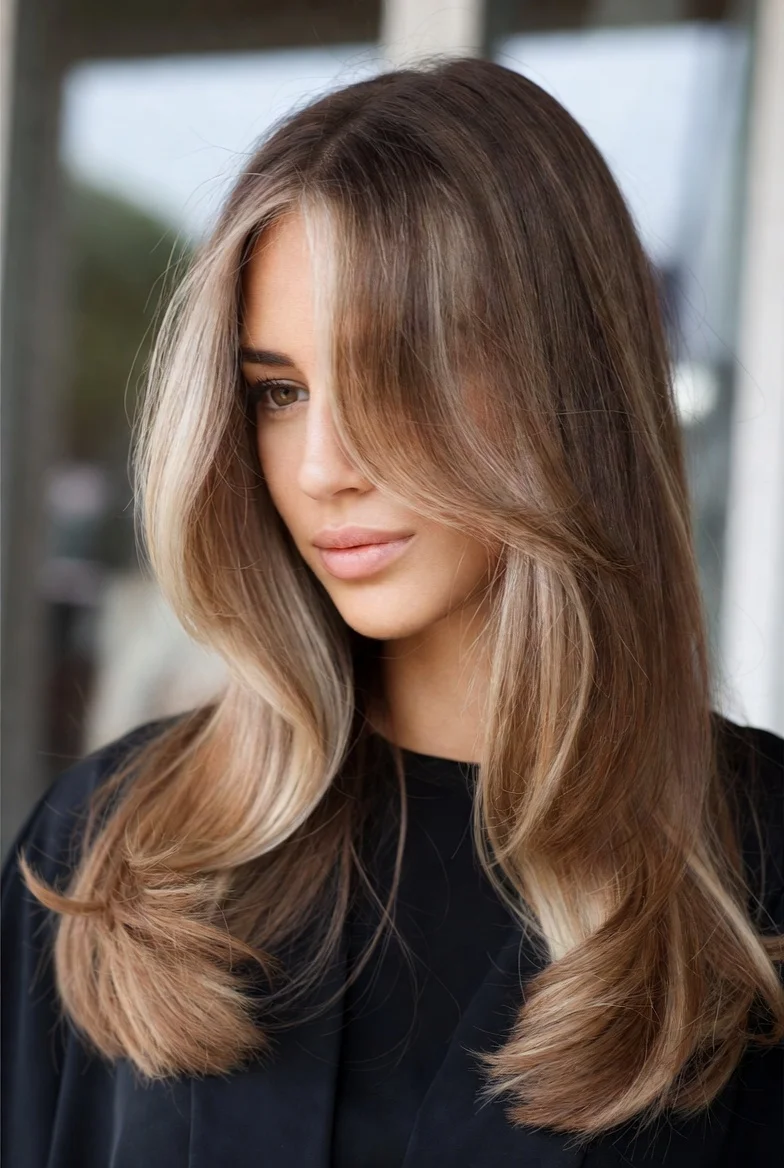
Apricot Blonde
A warm, peachy blonde that sits between golden blonde and copper softer and more wearable than full copper but with more personality than a standard blonde. If last year’s cowgirl copper stole your heart, apricot blonde is the 2026 evolution it photographs beautifully in natural light, contributing to its growing popularity.
- Best for: Warm and neutral skin tones; works especially well on light to medium complexions with peachy or golden undertones.
- Maintenance: Moderate peachy tones fade toward golden over time, which is still flattering; root touch-ups every 6-8 weeks
- Say this to your colorist: “Apricot blonde peachy and warm, softer than copper, not brassy or orange”
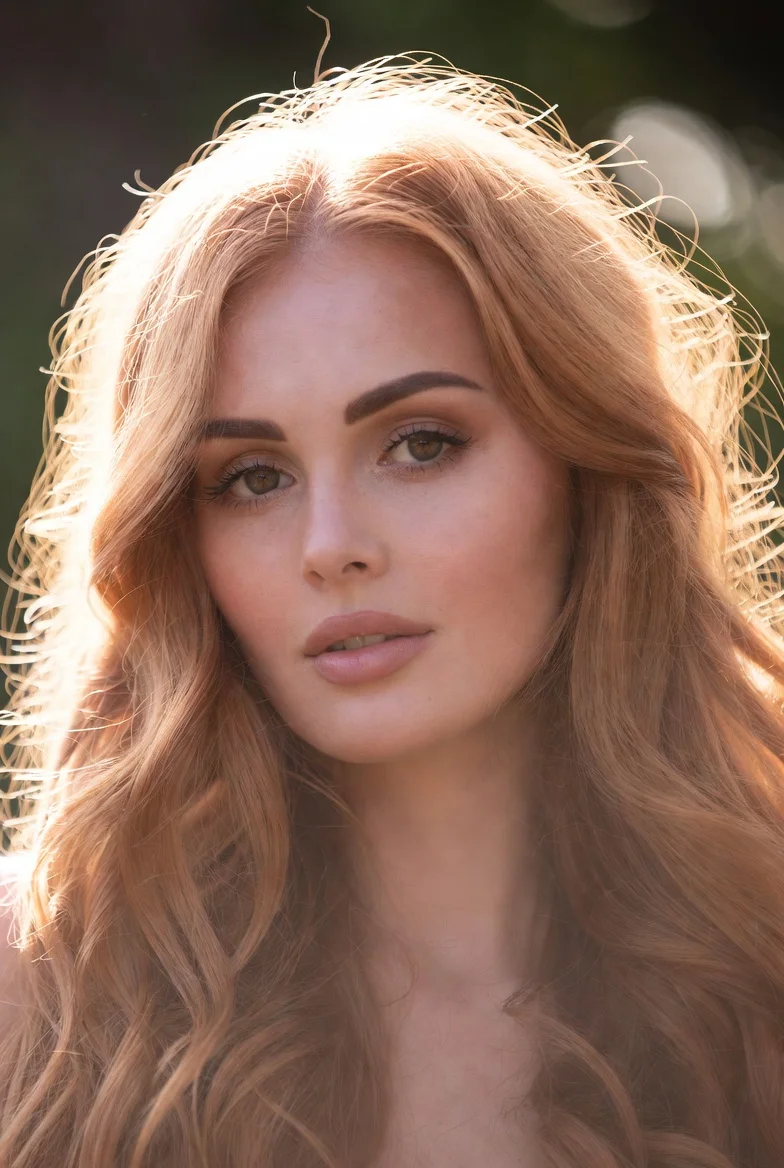
Dimensional Brown With Golden Highlights
A natural brown base with golden or honey-toned highlights woven through to add depth and movement the goal is hair that looks multi-tonal in the light rather than flat and one-dimensional.
- Best for: Neutral and warm skin tones on natural brunettes; golden highlights add contemporary style for brunettes and make hair look thicker while emphasizing movement
- Maintenance: Low to moderate golden tones on a brown base fade gradually and grow out without harsh lines; refresh every 3-4 months
- Say this to your colorist: “Dimensional brown with golden highlights natural-looking, not too light at the ends, just enough shimmer to add movement”
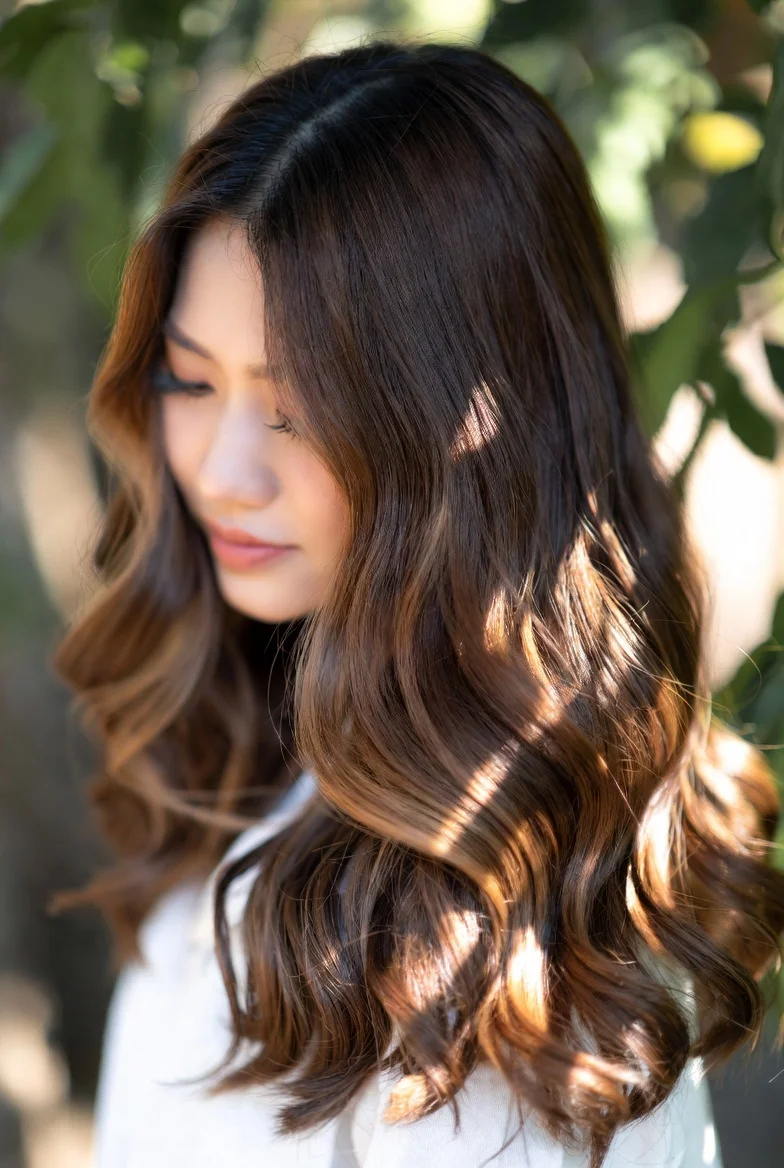
Platinum Ice Blonde
A pale, cool-toned blonde at the lightest end of the blonde spectrum silver-white rather than golden or warm. This is the boldest blonde on this list and the highest commitment.
- Best for: Cool skin tones; works on fair to medium complexions with pink or neutral undertones platinum-ice tones are heading into spring 2026 as a statement alternative to warm blondes.
- Maintenance: Very high requires bleaching and regular toning every 4-6 weeks to prevent brassiness; not suitable for hair that’s already damaged
- Say this to your colorist: “Platinum blonde cool-toned and silver-white, not golden or warm, I want the icy version”
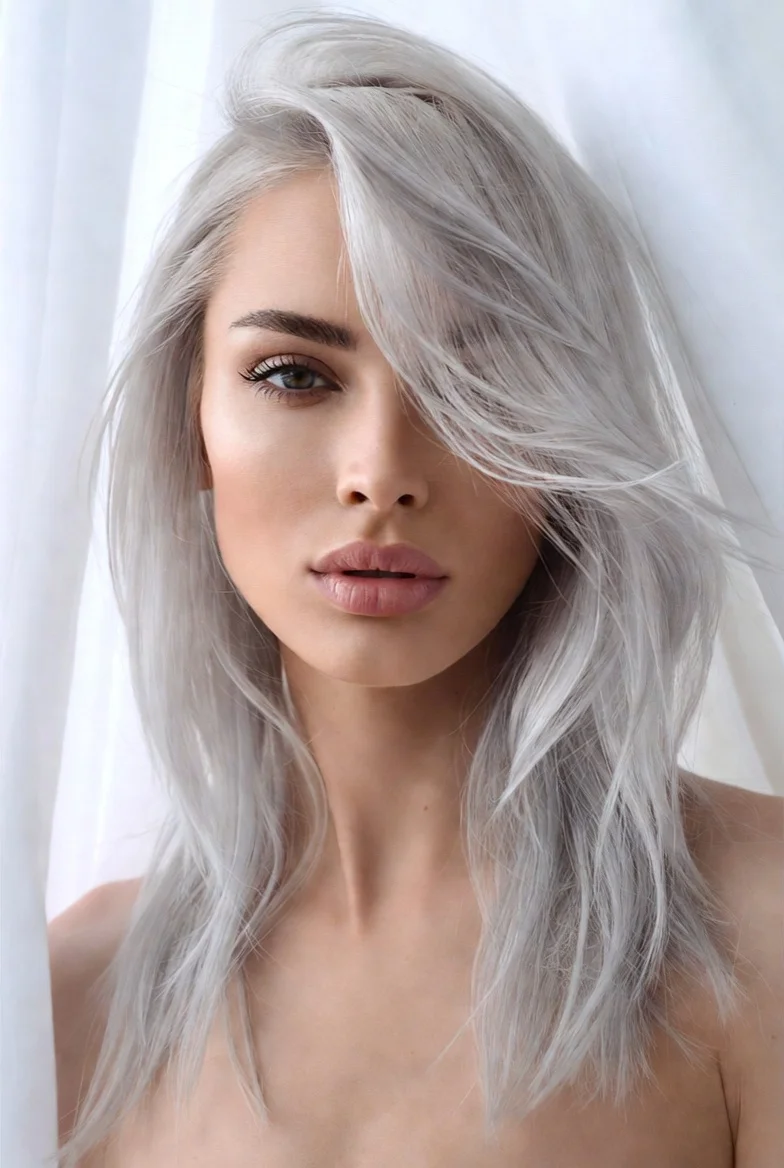
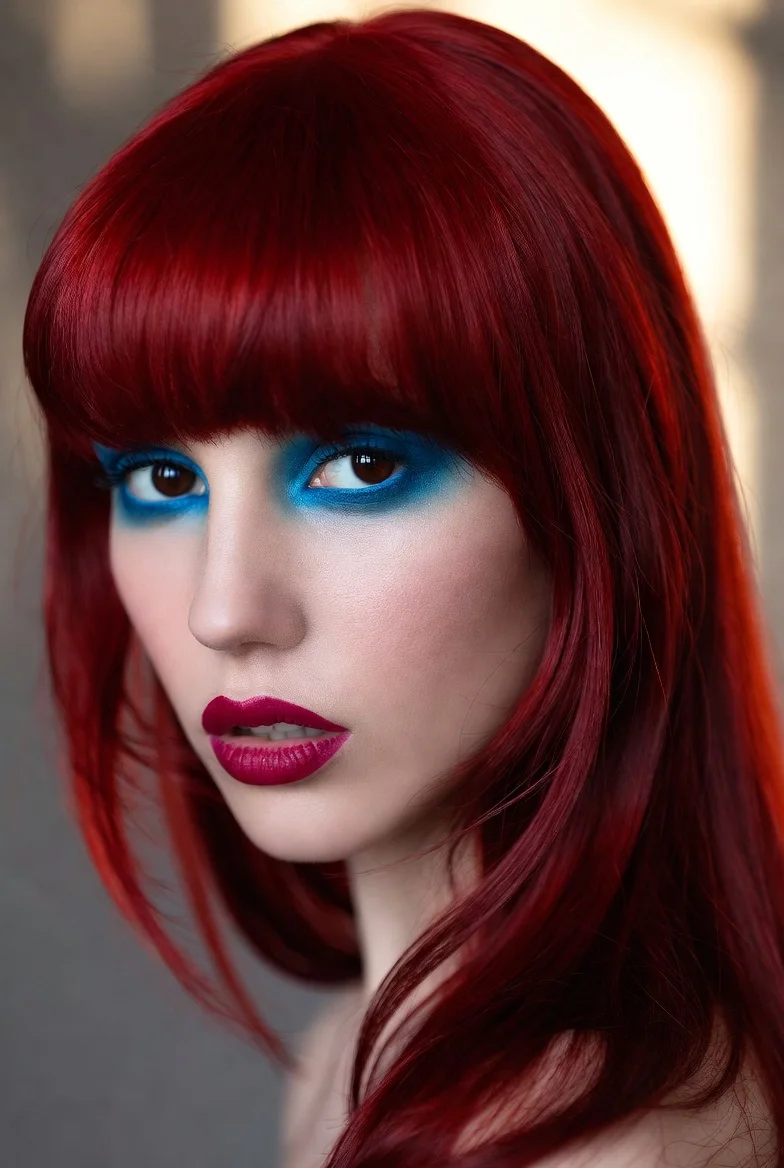
Cherry Red
A bright, vivid red with blue-toned undertones that make it read as bold and saturated rather than orange-leaning auburn. Fresh red tones are trending for 2026 confident, expressive, and bold rather than the muted, natural auburn direction of previous years.
- Best for: Cool skin tones; works beautifully on fair to medium complexions where the cool undertone complements rather than clashes with pink or bluish skin undertones.
- Maintenance: Very high vivid reds fade the fastest of any color family; expect to tone or refresh every 3-4 weeks with a color-depositing product at home
- Say this to your colorist: “Cherry red vivid and saturated with a blue or cool undertone, not warm or orange-leaning”
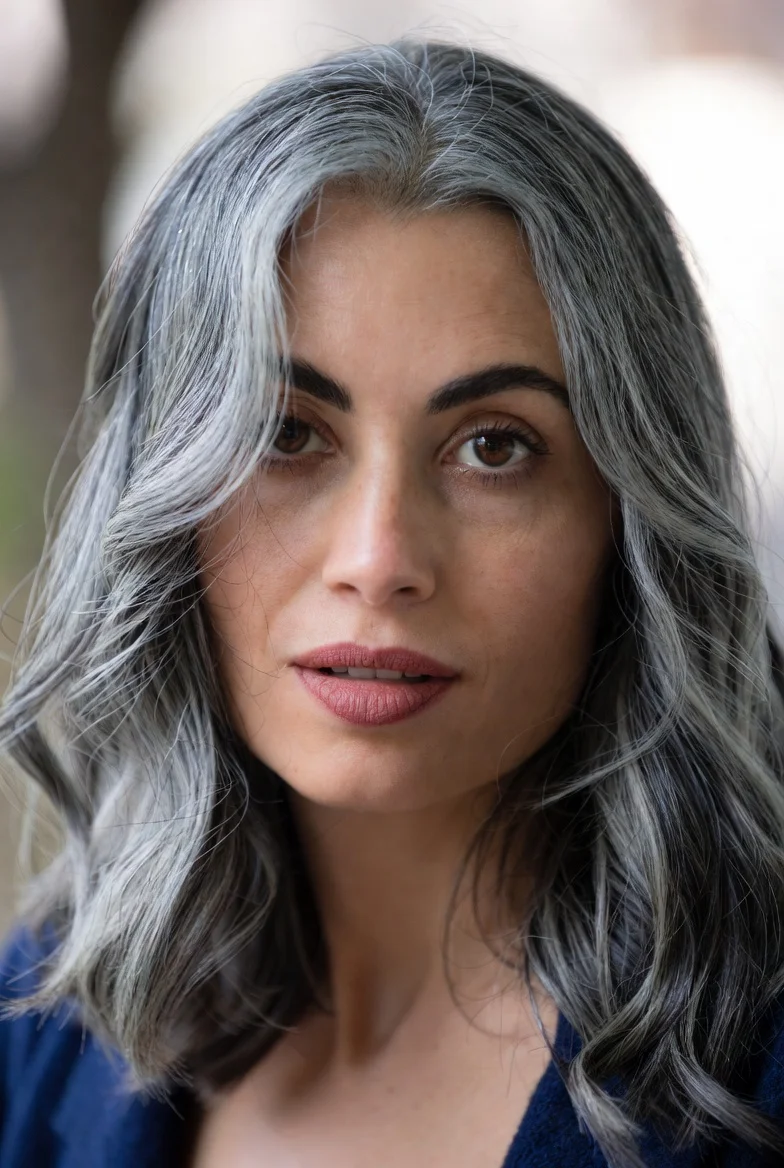
Gray Blending (Grown-Out Gray as a Feature)
Rather than covering gray hair, this technique blends it intentionally with the existing color to make the gray read as highlights rather than regrowth. It’s one of the lowest-maintenance color approaches on this list because it works with what’s already growing in.
- Best for: Any skin tone; especially practical for women over 40 who are spending significant time and money on gray coverage and want a more manageable alternative
- Maintenance: Lowest on this list these color techniques can help keep salon trips for gray coverage to a minimum while ensuring an impeccable look; refresh the blend every 3-4 months instead of every 4-6 weeks
- Say this to your colorist: “Gray blending I want to grow out my gray intentionally, blend it into my existing color as highlights rather than covering it”
How to Match Hair Color to Your Skin Tone
Getting the right color means knowing whether your skin has warm, cool, or neutral undertones and matching accordingly.
- Warm undertones (golden, peachy, olive skin): Butter blonde, honey balayage, caramel highlights, cowgirl copper, lush truffle, apricot blonde
- Cool undertones (pink, bluish, or fair skin): Midnight brunette, khaki bronde, platinum ice, cherry red, burgundy
- Neutral undertones (a mix of warm and cool): Almost everything on this list works; carnelian orange and color melt are particularly flexible
- Deep complexions: Midnight brunette, burgundy, carnelian orange, and dimensional brown all create striking contrast without washing out the skin tone.
Frequently Asked Questions
What hair color is trending in 2026?
Warm brunettes (midnight brunette, lush truffle), copper shades (cowgirl copper, apricot blonde), and natural-looking dimensional color (khaki bronde, honey balayage) are the dominant trends in 2026. Bold statements like cherry red and carnelian orange are also growing in popularity for those wanting a more expressive look.
What is the lowest maintenance hair color?
Gray blending, color melt, and dimensional brown with highlights are the lowest-maintenance options all grow out gradually without a harsh visible line, meaning fewer salon visits. Midnight brunette is also low-maintenance for anyone already close to that shade naturally.
Which hair color fades the fastest?
Vivid reds, copper, and cherry red fade the fastest because red pigment molecules are the smallest and escape the hair shaft most easily. Platinum blonde requires the most frequent toning. Cooler, darker shades like midnight brunette and khaki bronde hold the longest.
How do I know if a hair color suits my skin tone?
Check your vein color in natural light. Blue or purple veins suggest cool undertones go for ash, platinum, or cool reds. Green veins suggest warm undertones go for golden, copper, or honey tones. A mix of both means neutral undertones, giving you the most flexibility.
Is balayage still popular in 2026?
Yes, but the direction has shifted. In 2026, balayage leans warmer and more natural rather than the heavy contrast blonde-on-dark looks that peaked a few years ago. Honey and caramel balayage on brown hair is the most popular current version.
What hair color makes you look younger?
Warmer tones generally add vitality honey blonde, caramel highlights, and lush truffle all tend to brighten the face. Avoiding colors that are too dark or too cool for your skin tone is equally important; the wrong shade can make skin look dull rather than refreshed.